
Last updated August 28, 2026
Free in-home measure and quote - PGT, CGI and CWS impact lines compared on your actual openings, style by style
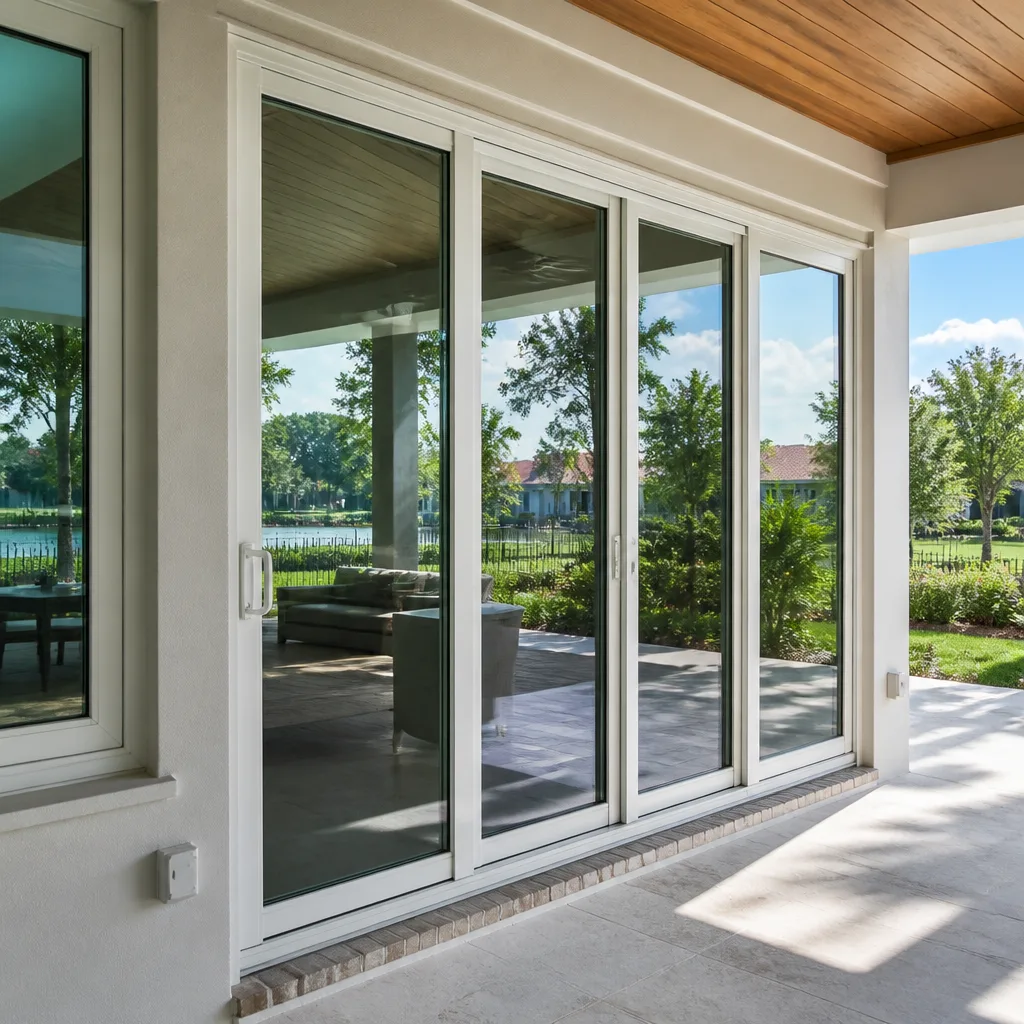
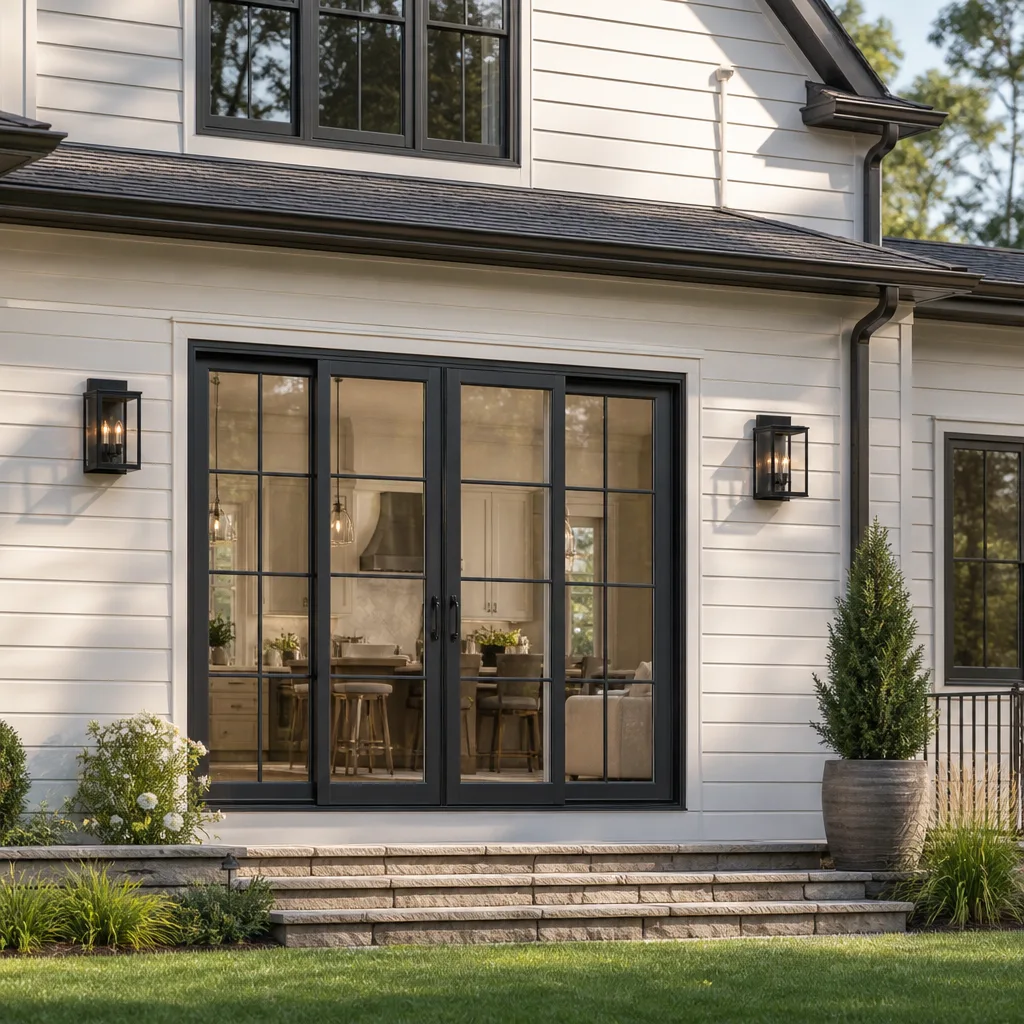
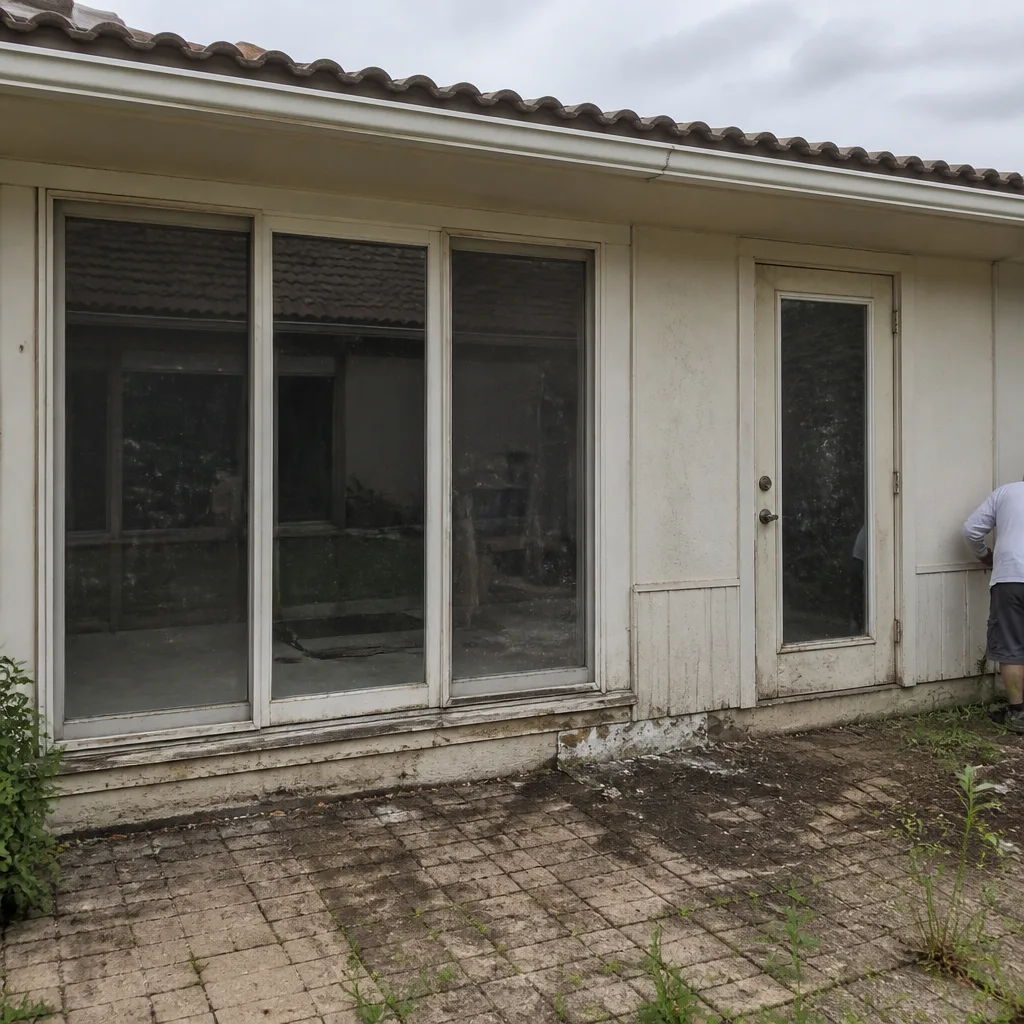 Before
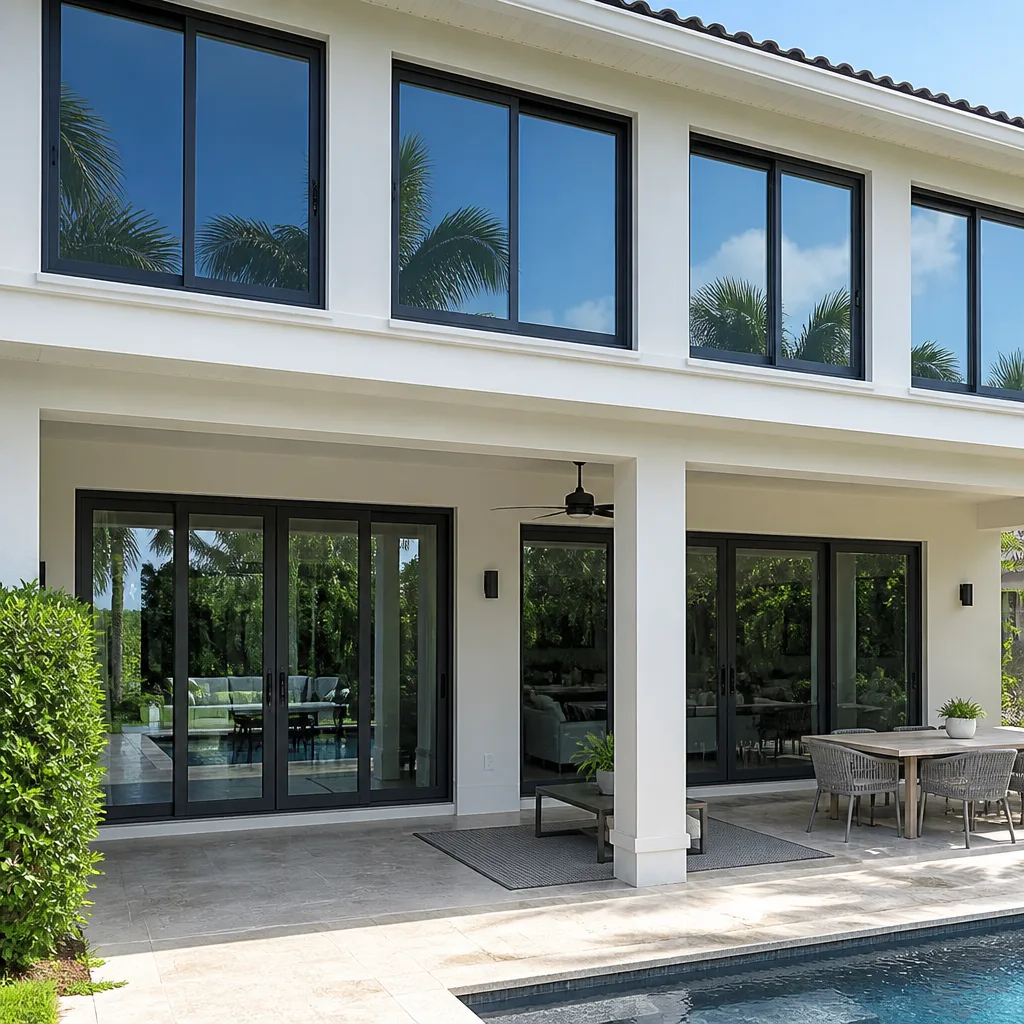 After
After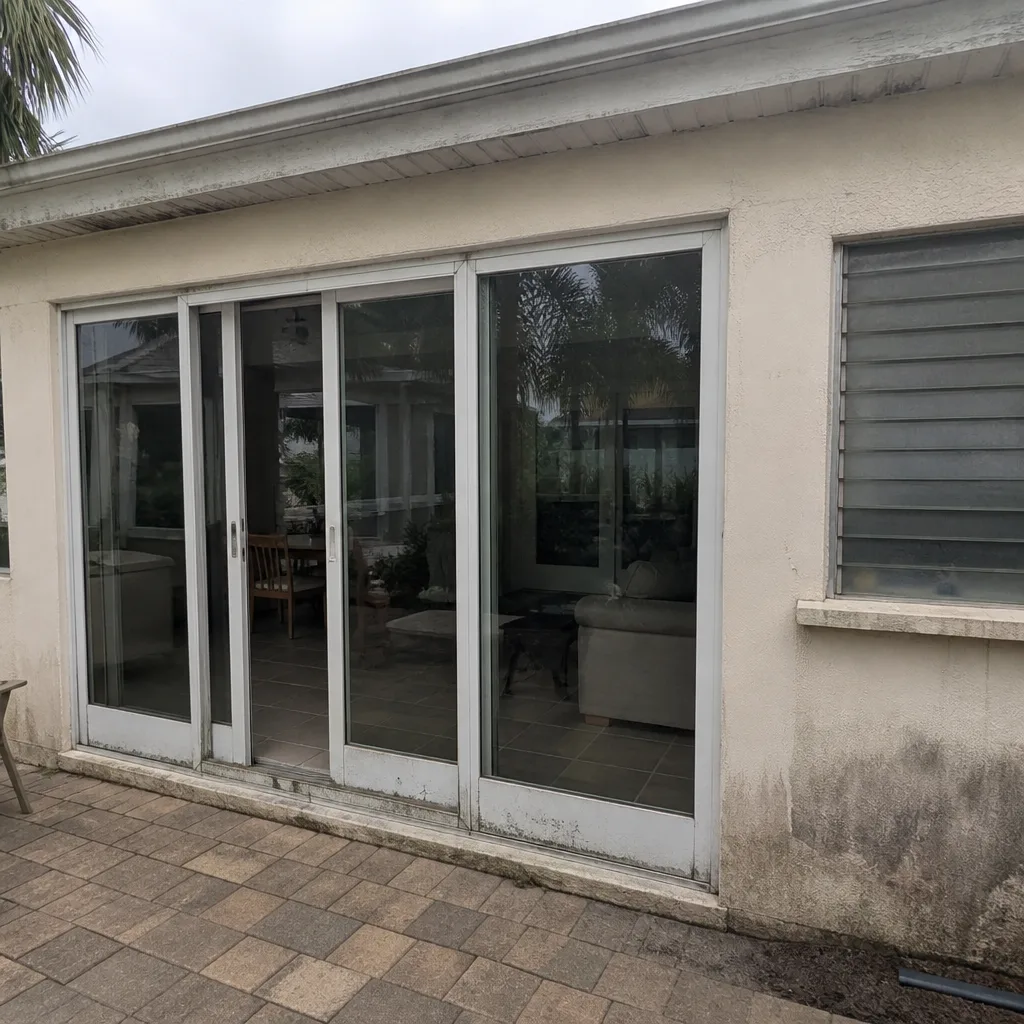 Before
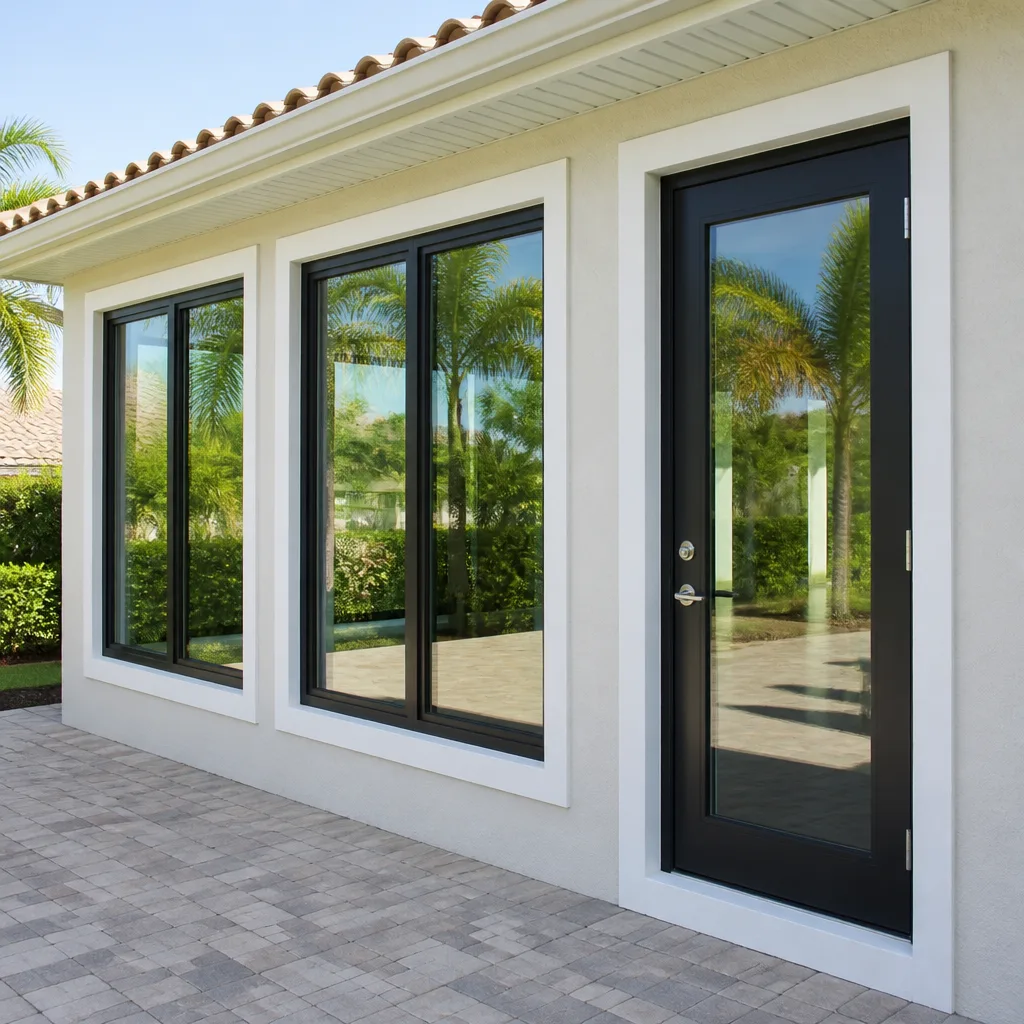 After
After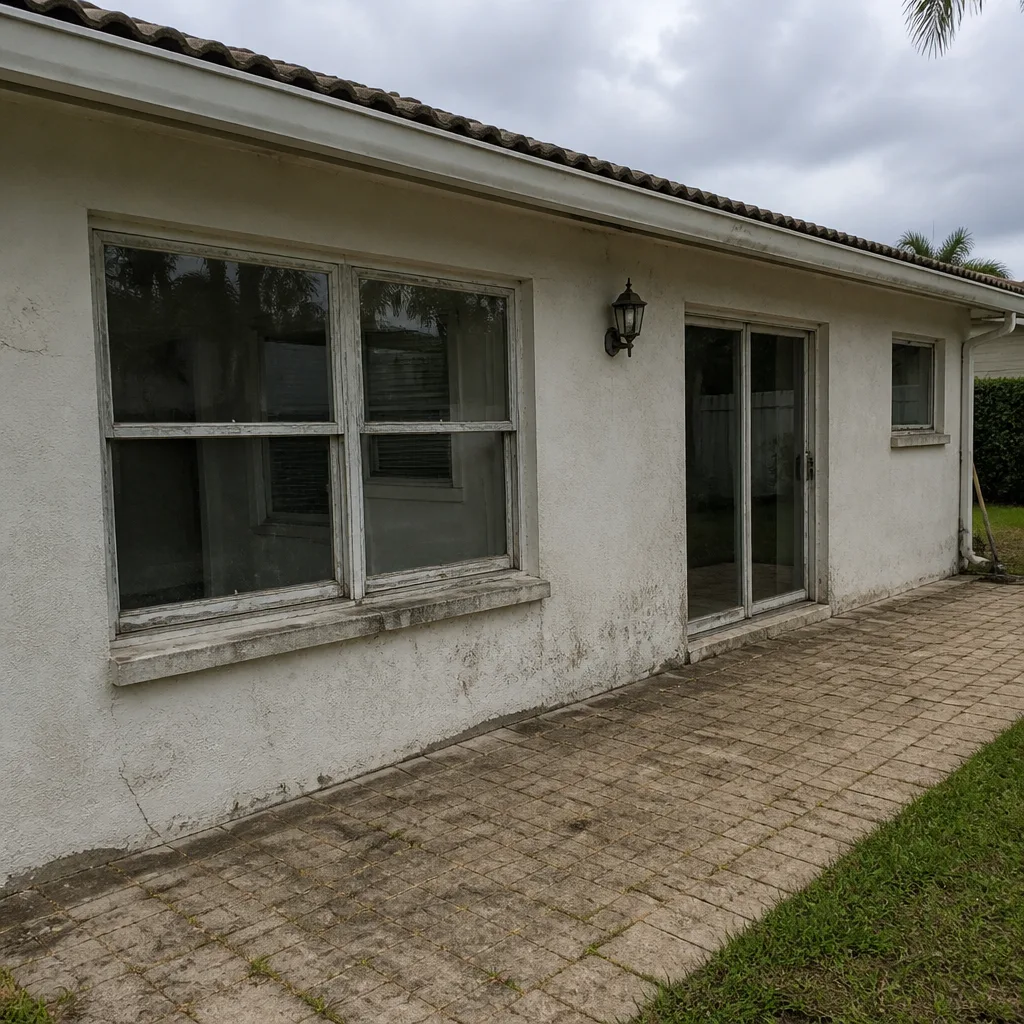 Before
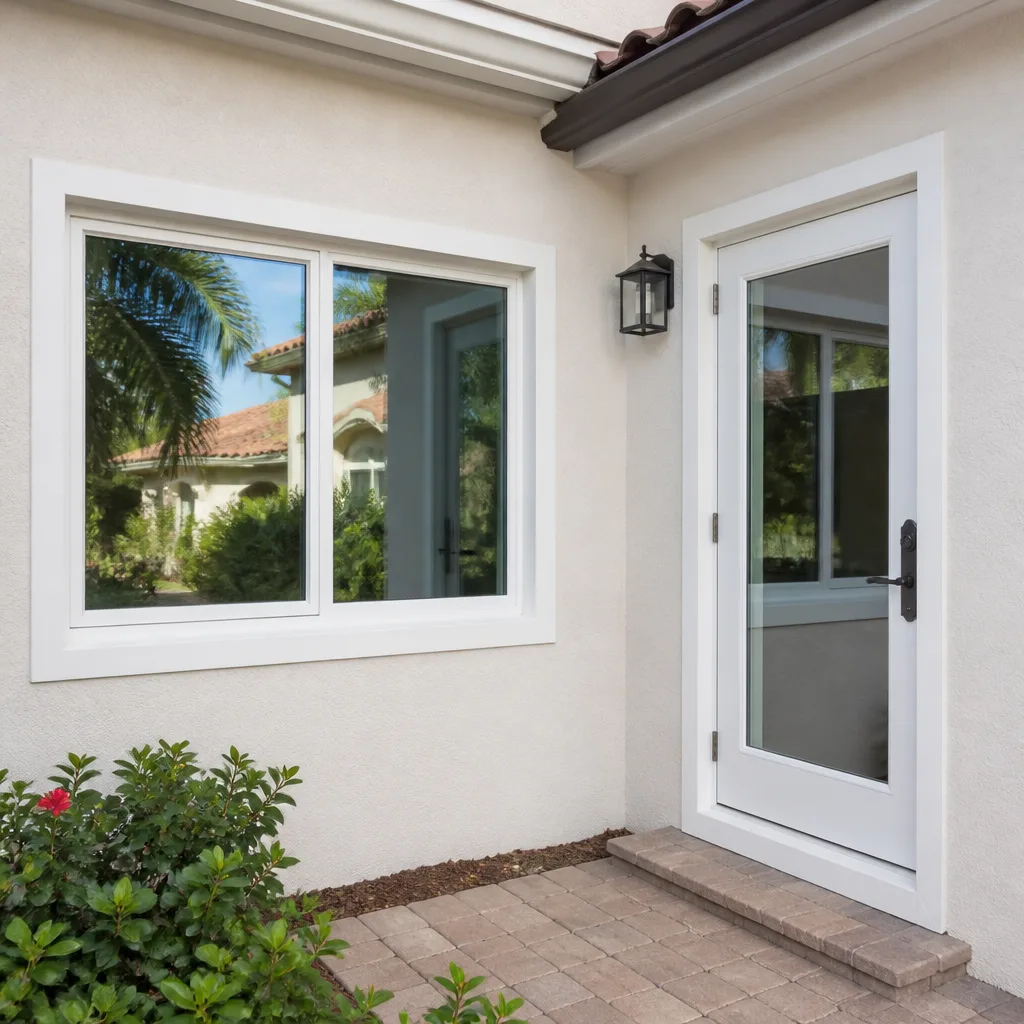 After
AfterWindows & Doors Permits, Codes & Inspections in FL: What You Need to Know
Here is a fact most window contractors in Naples will not volunteer: Florida building officials estimate that tens of thousands of window replacements are installed statewide each year without a permit, and in a High-Velocity Hurricane Zone, an unpermitted window is not just a code violation. It is an insurance claim waiting to fail and a resale defect you must disclose. This guide walks you through the actual sequence of permits, product approvals, rough-in inspections, and final sign-offs as they happen in Collier County, so you know precisely which questions to ask before the first screw comes out of the frame. For a broader look at planning your project, see our Complete Guide to Windows & Doors in Naples.
Quick Answer
In Naples and all of Collier County, replacing windows or exterior doors requires a building permit pulled by a licensed contractor, and the products installed must carry a current Florida Product Approval number that the county inspector will verify at rough-in and final inspection. Permit fees for a typical window project run $150 to $450 depending on the scope, and the process from application to final sign-off normally takes 10 to 21 days when the paperwork and product approvals are clean.
Table of Contents
- Why HVHZ Rules Change Everything in Naples
- The Permit Application Sequence: Who Pulls It and When
- Florida Product Approval Numbers: How to Read Them
- Rough-In Inspections: What the Inspector Is Actually Checking
- Final Inspection and the Sign-Off That Matters
- The Consequence Chain for Unpermitted Work
- What Permits and Inspections Cost in Collier County
- Questions to Ask Before You Sign the Contract
Why HVHZ Rules Change Everything in Naples
Florida has two building code regimes. Most of the state falls under a standard wind load calculation based on historical storm data. Naples does not. Naples sits inside the High-Velocity Hurricane Zone, the code designation that applies to Miami-Dade and Broward counties plus a portion of Collier County. The practical difference is significant. Standard Florida building code allows windows tested to roughly 130 mph wind pressure ratings. HVHZ product approval requires windows tested to survive a 9-pound 2×4 fired at 34 mph, which simulates the debris field of a Category 5 hurricane striking reinforced glass.
What this means for a homeowner in Naples is that a window that is perfectly legal in Tampa, Orlando, or Jacksonville is often illegal in Collier County. The window still functions, still looks identical, and may even carry an Energy Star sticker. But the Collier County inspector will reject it at rough-in if the Florida Product Approval number does not appear on the county’s approved product list, and no amount of conversation at the inspection will change that.
We have seen this exact scenario in Naples neighborhoods like Old Naples, where historic district aesthetics create pressure to match existing sightlines, and in gated communities like Pelican Bay or Quail West, where architectural review boards sometimes recommend a window line without checking its HVHZ status. The contractor’s job is to know the code. The homeowner’s job is to confirm the contractor actually checked. Ask for the Florida Product Approval number in writing before the contract is signed. If the salesperson cannot produce it, the quote is not ready. For help spotting red flags early, read Windows & Doors Warning Signs: A Naples Homeowner’s Reference Guide.
One more point worth stating plainly: HVHZ applies even when the window being replaced was itself never compliant. Many 1970s and 1980s homes in Naples were built with single-pane aluminum frames that predate modern wind codes. Replacing them “like for like” with an identical non-approved product is still a code violation, because current code governs the replacement, not the original construction. There is no grandfather clause on glass in the HVHZ.
The Permit Application Sequence: Who Pulls It and When
The permit for windows in Collier County is pulled by the licensed contractor performing the work, not by the homeowner, unless the homeowner is acting as an owner-builder and has signed an owner-builder disclosure affidavit with the county. The standard sequence unfolds in a specific order, and each step has a document attached to it.
- Product selection and approval verification. Before the permit application is submitted, the contractor must identify the exact window products, including model numbers and product approval numbers. These numbers are copied onto the permit application. If the products change later, the permit must be amended, which adds time and cost.
- Permit application filed with Collier County. The contractor submits the application through the Collier County online portal or in person at the Growth Management Department. The application includes the product approvals, a floor plan or elevation drawing showing window locations, and the permit fee. A typical residential window permit takes 3 to 7 business days for plan review in Naples when the application is complete.
- Permit issued and card posted. Once approved, the county issues a permit card. State law requires that the permit card be posted on the job site in a visible location. Homeowners should physically see this card before demolition begins. If a contractor starts pulling windows and there is no posted permit, that is a red flag and a code violation.
- Rough-in inspection scheduled. After the old windows are removed and the new units are set in the openings, but before trim and interior finishes conceal the fastening points, the contractor calls for the rough-in inspection. More on what this covers below.
- Final inspection scheduled. After trim, caulking, and any exterior stucco or trim work is complete, the contractor calls for final inspection. The inspector signs off on the permit, and the job is closed in the county system.
Homeowners can verify permit status independently. Collier County maintains a public permit search portal where anyone can enter an address and see active permits, inspection schedules, and pass/fail results. The portal is the single best tool a Naples homeowner has for confirming that a “permit-included” quote turned into an actual permit. A contractor who says the permit was pulled but cannot show you the permit number on the county portal has not pulled the permit.
Florida Product Approval Numbers: How to Read Them
Every window and exterior door legally installed in Naples must carry a Florida Product Approval number, often abbreviated FL number. The number follows a consistent format: FL followed by the approval year, followed by a unique identifier. A PGT window might carry something like FL10624-R, while a CGI product might show FL27138. The exact digits vary by product line and revision. The number itself is printed on the window frame or etched into the glass, and it is also recorded on the permit documents.
Here is the part most homeowners do not know: the FL number is not proof that the window is legal in Naples. It is proof that the product was tested and approved by the state of Florida. The further step is confirming that the specific FL number appears on the Collier County approved product list. Counties may adopt state approvals, or they may maintain additional local restrictions. Collier County’s building department publishes its accepted product list online, and the inspector checks against it at the field inspection.
How does a homeowner cross-reference? It is a two-step process. First, write down the FL number from the sticker on the window itself. You will find it on the interior frame, usually near the corner or the lock rail. Second, search that number in the Florida Product Approval database maintained by the Florida Department of Business and Professional Regulation. The database will show the product manufacturer, the approval type, the impact rating, and the expiration date. If the number is expired, rejected, or does not appear at all, the window is not code-compliant in Naples, no matter what the box said.
We tell every client considering impact windows in Naples the same thing: verify the window before the window verifies you. Once the unit is installed, the discovery process is over. The rough-in inspector will find the non-compliant product, fail the inspection, and the cost of redoing the work lands on whoever signed the contract. If the contract did not specify code-compliant product, that person is often the homeowner.
Rough-In Inspections: What the Inspector Is Actually Checking
A rough-in inspection happens after the new windows are anchored into the rough openings but before trim and interior finish work covers the installation details. This is the single most important inspection in the process, because it is the only one that sees the fasteners, the flashing, and the structural connection. What is the inspector looking for? A specific checklist, and every item on it exists because a past hurricane found a weakness.
- Fastener type and spacing. The inspector checks that the window was fastened with the hardware specified in the product approval. This is not a suggestion. If the approval calls for #10 screws at a maximum of 12 inches on center, the inspector will check. The reason matters in Naples: in a wind event, a window that is anchored with undersized fasteners becomes a projectile inside the home.
- Flashing and waterproofing. Naples sees over 50 inches of rain in a normal year and far more in tropical events. The rough-in inspector verifies that a weather-resistant barrier, typically a self-adhered membrane or building paper, laps correctly into the opening before the window goes in, and that the sill pan is installed and sloped to drain outward. Water intrusion is the leading cause of window-related insurance claims in Florida, not wind.
- Product approval verification. The inspector reads the FL number on the installed window and checks it against the Collier County approved list. This is the moment where the wrong product gets caught. If the number is absent, expired, or non-listed, the inspection fails.
- Anchor and shim location. The inspector confirms the window is level, plumb, and square in the opening, and that shims are placed near anchor points, not randomly wedged into the frame. A window that is not shimmed correctly will bind, leak, or bow over time.
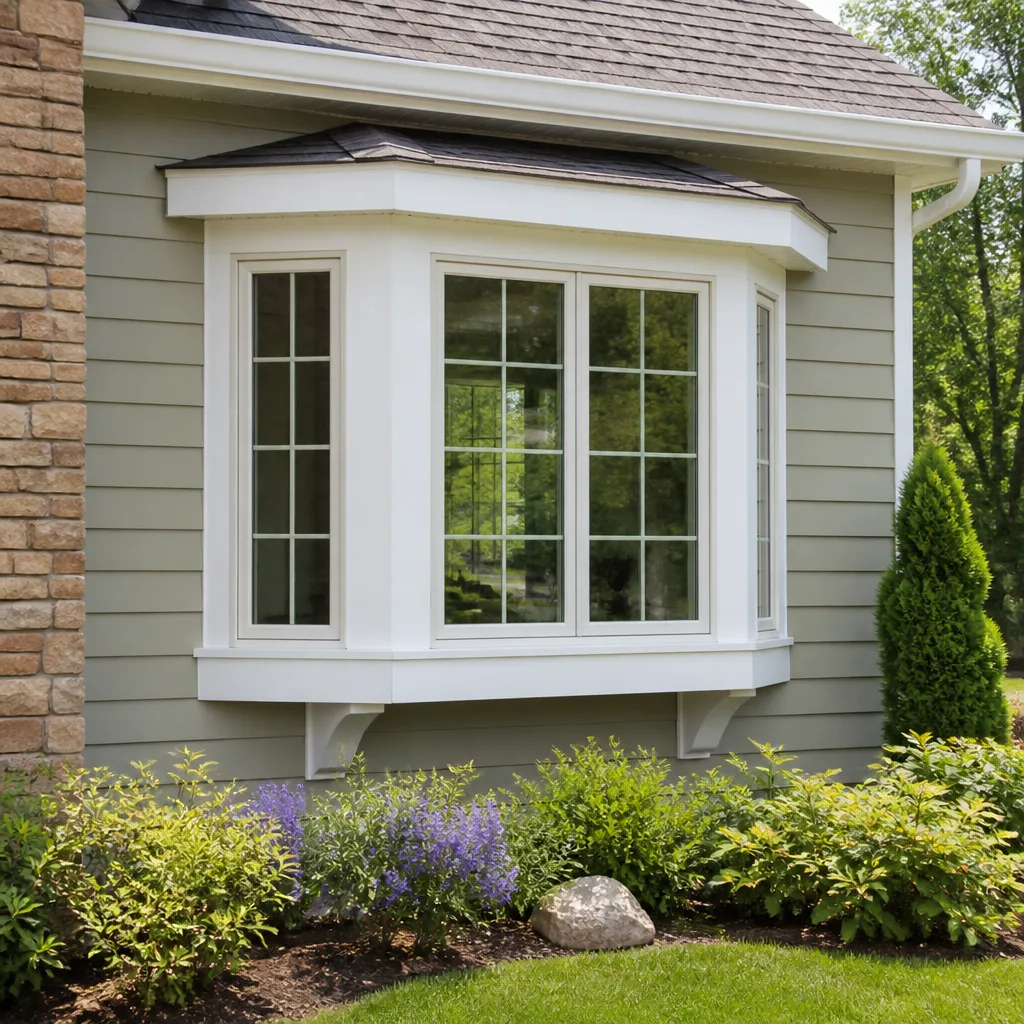
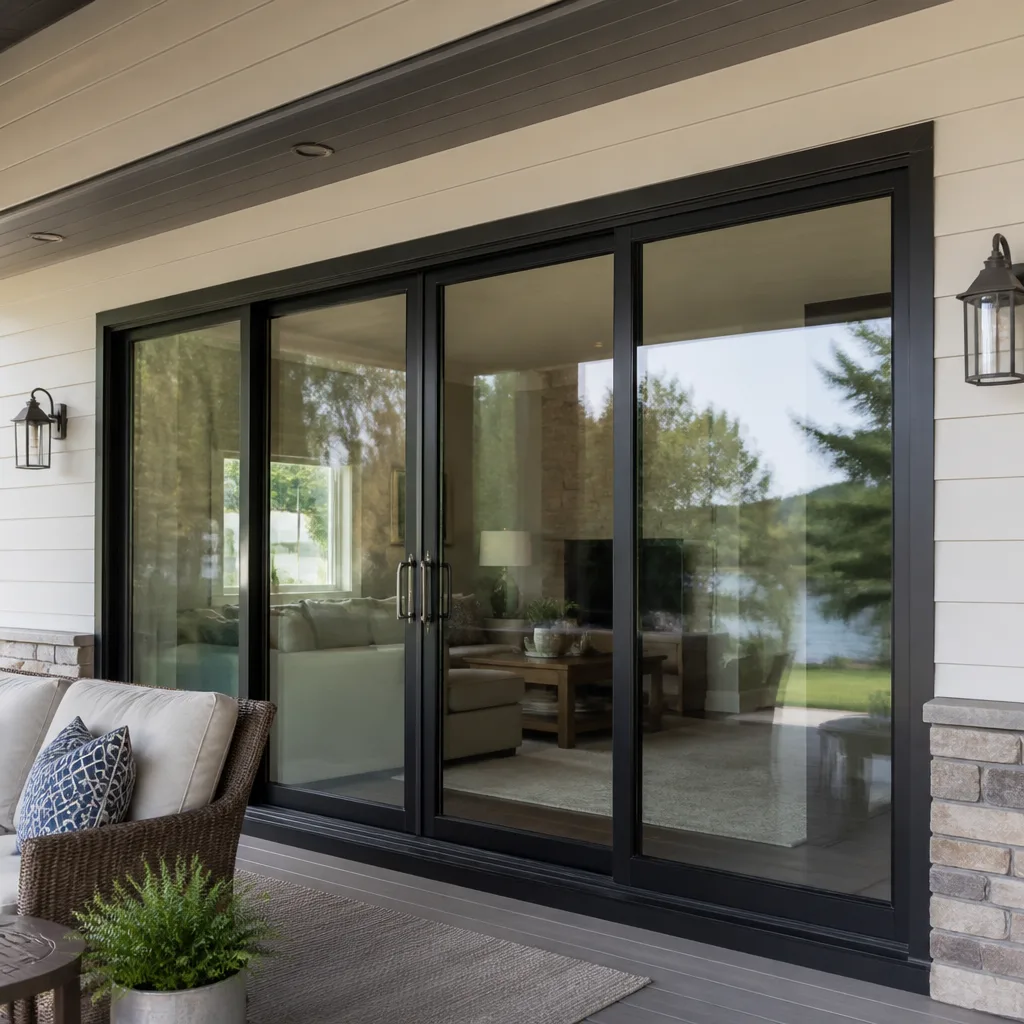
- Mullion and transom connections. When multiple units are joined together, the mullion connection must match the product approval. This is a common failure point in Naples homes with large picture windows, bay windows, or sliding door combinations.
We recommend to every window installation in Naples client that someone from their household be present for the rough-in inspection. It is your home, and watching the inspector work is an education in what correct installation looks like. A good contractor will have already self-inspected every one of these items before the county arrives.
Final Inspection and the Sign-Off That Matters
The final inspection occurs after all finish work is complete: interior trim, exterior caulking, sill sealants, and any stucco or cladding repairs around the openings. The inspector is now looking at the finished installation, not the hidden structure. The checks are simpler but no less specific.
The inspector verifies that the windows and doors operate freely: locks engage, sashes travel their full range, and no binding or sticking occurs at any point. A window that binds in July in Naples is frequently an installation defect caused by an opening that was not properly prepared or a frame that was over-tightened. The inspector also checks the exterior sealant joints, confirming that every perimeter joint is sealed with an approved sealant that remains flexible. Naples heat and salt air will crack cheap caulk within a season, which is why the code specifies the product types allowed.
The final inspection is also when the inspector confirms that any removed windows were disposed of properly and that no debris has been left against the building envelope. It may sound minor, but standing piles of demolition material are a habitat for pests and a moisture trap against stucco.
Once the final inspection passes, the permit is closed in the Collier County system. The homeowner should receive or download a copy of the final passed inspection report and keep it with the home’s permanent records. When you later sell the home in Naples, the title company and the buyer’s inspector will ask whether permitted work was performed. A closed permit with a passed final inspection is the answer, in writing. We tell every client we work with on window replacement in Naples that the final inspection report is the most important document they will never read.
The Consequence Chain for Unpermitted Work
Unpermitted window work in Naples is not a situation that sits quietly. It produces a cascade of consequences that emerge at predictable moments, often years after the installation. Understanding the chain changes how a homeowner thinks about the permit fee. It is cheap insurance, not paperwork.
Insurance claim denial. Florida homeowners insurance policies routinely exclude coverage for damage caused by or related to unpermitted construction. A window installed without a permit in Naples that fails during a storm and allows water intrusion can produce a claim denial that leaves the homeowner paying for the repair, the mold remediation, and the replacement window. Insurance adjusters search permit records in Collier County as a standard part of post-storm claims. The permit either exists or it does not.
Resale disclosure obligation. Florida law requires sellers to disclose known facts that materially affect the value of the property. An unpermitted window installation is exactly such a fact. Once you know the work was unpermitted, you must disclose it when you sell your Naples home, or you assume the liability of misrepresentation. Disclosing it typically results in a purchase price reduction, a demand for remediation, or both.
Mandatory remediation. When Collier County discovers unpermitted work, it may issue a code enforcement action requiring the homeowner to bring the work into compliance. That means pulling a permit retroactively, exposing the rough-in work for inspection, and possibly replacing windows that cannot be verified as code-compliant. The cost of retroactive compliance routinely exceeds the cost of doing the job correctly the first time.
Who absorbs the cost when the contractor is unreachable? The homeowner. If the contract did not specify that permits would be pulled, or if the contractor is no longer in business, the homeowner bears the full cost. In Naples, where some window companies cycle in and out of the market, this is not a hypothetical. The length of time a company has been operating locally is a legitimate part of the permit-risk calculation. A company that has served Naples for decades has a reason to answer the phone.
What Permits and Inspections Cost in Collier County
Permit costs for window and door work in Collier County vary by the scope and the valuation of the work, but homeowners should expect the following ranges for a typical single-family residence.
- Standard window or door replacement permit (1 to 10 openings): $150 to $350. The county calculates fees on a sliding scale tied to job value.
- Larger projects (whole-house window replacement, 10+ openings): $350 to $600.
- Impact window or door installation with structural changes: permit fees may run higher when engineering or structural review is required, typically $400 to $750.
- Re-inspection fees: if an inspection fails and must be rescheduled, the county charges a re-inspection fee, typically $75 to $125. This is avoidable when the contractor self-inspects first.
These fees are a small fraction of the total window project cost in Naples, where a typical whole-house window replacement runs $18,000 to $45,000 depending on product lines and opening counts. Before you decide who does the work, consider our DIY vs Professional Windows & Doors: The Naples Homeowner’s Decision Guide. The permit is not where the money goes. The value the permit produces is the documented, inspected installation that the county will stand behind, and that your insurance carrier will acknowledge.
We include the permit in our quotes as a line item, not a marketing phrase. The homeowner sees the exact fee, the exact product approval numbers, and the name of the contractor pulling the permit before the contract is signed. That is what a square deal looks like on paper.
Questions to Ask Before You Sign the Contract
Every Naples homeowner should have a short list of questions before signing a window or door contract. The answers reveal more than the marketing materials ever will.
- Will you pull the permit, and what is the permit number once it is issued? The answer should be yes, and the permit number should be verifiable on the Collier County portal within a week of contract signing.
- What is the Florida Product Approval number for the exact windows being quoted? If the salesperson cannot produce the number at the quote table, the products have not been specified. A serious contractor has this before the quote is printed.
- Have these products been installed in Naples before under HVHZ inspection? Product approval is statewide. Local inspection experience is what separates a clean rough-in from a failed one. Contractors who work regularly in Naples know exactly what the county inspector checks, because they have stood there while he checked it.
- What happens if an inspection fails? The contract should state who pays the re-inspection fee and who is responsible for correcting the deficiency. If the answer is “that never happens,” the contractor is either inexperienced or not being straight with you. Inspections fail occasionally even with good contractors. The question is who owns the correction.
- Will both warranty layers, manufacturer and workmanship, be registered in writing? A window is covered by the manufacturer’s warranty, and the installation is covered by the contractor’s workmanship warranty. Both should be written onto paper with durations and registration confirmations. In Naples, a verbal warranty is not a warranty.
At TruePane Windows & Doors, we answer every one of these questions in the first meeting, in writing, with product approval numbers included. It is not a selling point. It is the way a window contract should be structured in a county that inspects the way Collier County does.
Common Mistakes to Avoid
- Accepting a “permit-included” quote without verifying. The phrase is free. The actual permit costs money and requires paperwork, and some contractors bank on homeowners never checking. Verify the permit number on the Collier County portal before installation begins.
- Assuming all Florida Product Approvals are accepted in Naples. State approval and county acceptance are separate steps. A window can carry an FL number and still be non-compliant in Collier County. Check the county list.
- Skipping the rough-in inspection. This is the only inspection that sees the fasteners and flashing. Once trim covers the anchors, that inspection opportunity is gone, and the final inspection cannot recover it.
- Choosing products based on appearance alone. A window that looks identical to a compliant unit but lacks the HVHZ approval will fail inspection and must be removed. In Naples, appearance follows compliance, never the reverse.
- Not keeping the final inspection report. The closed permit is the document that matters at resale. Homeowners who trust the contractor to “keep it on file” may find the contractor is out of business when the document is needed.
- Hiring on speed instead of record. A contractor who can start tomorrow but has no Naples inspection history is not a bargain. It is a risk trade. Ask how many permitted window jobs the company has closed in Collier County.
When to Call a Professional
Window permits and inspections are not a weekend DIY project, and the consequences of getting them wrong in Naples are permanent: voided insurance coverage, mandatory tear-outs, and resale problems that surface years later. If you are replacing windows or exterior doors in Naples and you do not have a copy of the Florida Product Approval number for every unit, call a professional who works in Collier County under HVHZ inspection every week. TruePane Windows & Doors offers free estimates in Naples, includes the permit line item and product approvals in the quote, and has served local communities for over 42 years through a heritage of craft and community commitment. Dale Kessler founded the company in 2008 on a rule that still governs every job: if the pane is not true, the job is not done. Call (239) 326-9942 to schedule your free estimate.
Frequently Asked Questions
Yes, every window and exterior door replacement in Naples requires a building permit, and the work must be performed by a licensed contractor. This is not a county preference; it is Florida Building Code applied in an HVHZ county. A permit is required even for like-for-like replacements of the same size and style.
A standard window replacement permit in Collier County costs $150 to $350 for most projects, with whole-house projects running $350 to $600 or more. The permit fee is separate from the installation cost and should be itemized as a line in your contract. Call (239) 326-9942 if you would like to review a specific project.
A rough-in inspection checks the hidden structure: fasteners, flashing, shims, and product approval numbers before trim covers the installation. The final inspection checks operation, locks, seals, and finishes after the job is complete. Both inspections must pass for the permit to be closed.
You must disclose unpermitted window work when selling a home in Florida, and the disclosure typically reduces the sale price or triggers a purchase contract contingency. The buyer’s lender or insurer may also decline to proceed until the work is retroactively permitted and inspected. The cleaner path is to have the work permitted correctly from the start.
The FL number on a window proves that the product passed Florida product testing for wind pressure, impact resistance, or both. It does not automatically mean the product is approved for use in Collier County. The county maintains its own accepted list, and the inspector verifies against that list at rough-in. Call (239) 326-9942 to have a product approval verified before you buy.
Plan for 10 to 21 days from permit application to final sign-off for a standard window replacement in Naples, assuming the products are code-compliant and the installation passes both inspections the first time. Permit review takes 3 to 7 business days, and inspections are typically scheduled within 1 to 2 business days of the request.
The Bottom Line
The permit and inspection process for windows and doors in Naples exists because this city sits inside a hurricane zone where the cheapest window can become the most expensive one in the house. The permit is not paperwork; it is the public record that your windows are legal, inspected, and defensible before an insurance adjuster or a future buyer. The sequence matters: verify product approval first, pull the permit before demolition, pass the rough-in before trim, and keep the final inspection report forever. A contractor who knows this sequence, follows it, and can show proof of past Naples permits is the one you want on the job. TruePane Windows & Doors is that kind of contractor. Call (239) 326-9942 for a free estimate, and see how the TruePane Windows & Doors home standard holds up.
Written by Dale Kessler, Owner at TruePane Windows & Doors, serving Naples since 2008. Browse more guides & resources for Naples homeowners.
Six Reasons Homeowners Choose TruePane Windows & Doors
Impact systems engineered to design pressures up to +/-100, matched to your wind zone - your openings hold when the storm arrives.
Low-E insulated impact glass from our manufacturer lines commonly cuts monthly cooling bills 20-30%.
Laminated impact glass shuts out up to 40% of outside noise - traffic, neighbors, weather.
Monitoring services run $30-90 a month. Laminated impact glass resists forced entry around the clock, with no subscription.
Florida homeowners average around 25% savings on the windstorm portion of their policy after protecting every opening - some homes qualify for more.
A full impact package upgrades curb appeal, buyer confidence and appraised value in one project.