
Last updated August 28, 2026
Free in-home measure and quote - PGT, CGI and CWS impact lines compared on your actual openings, style by style
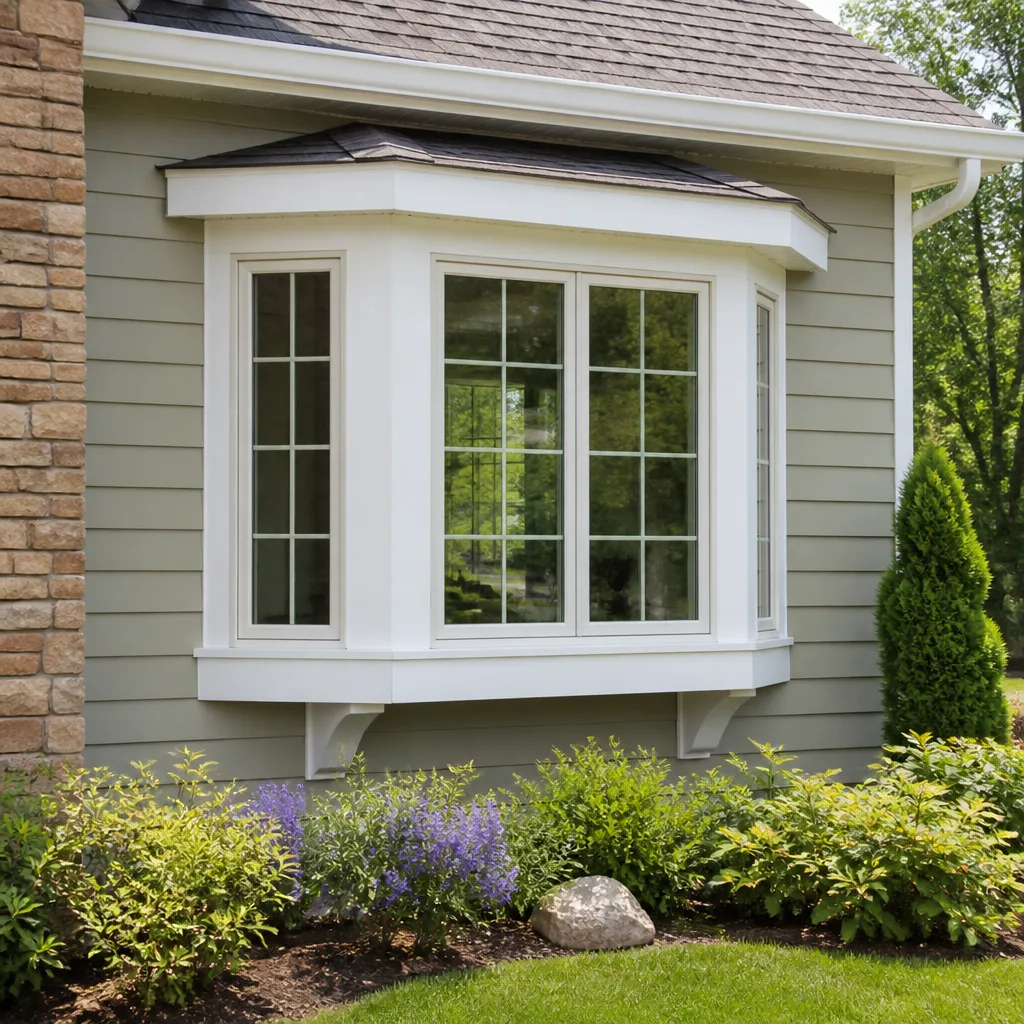
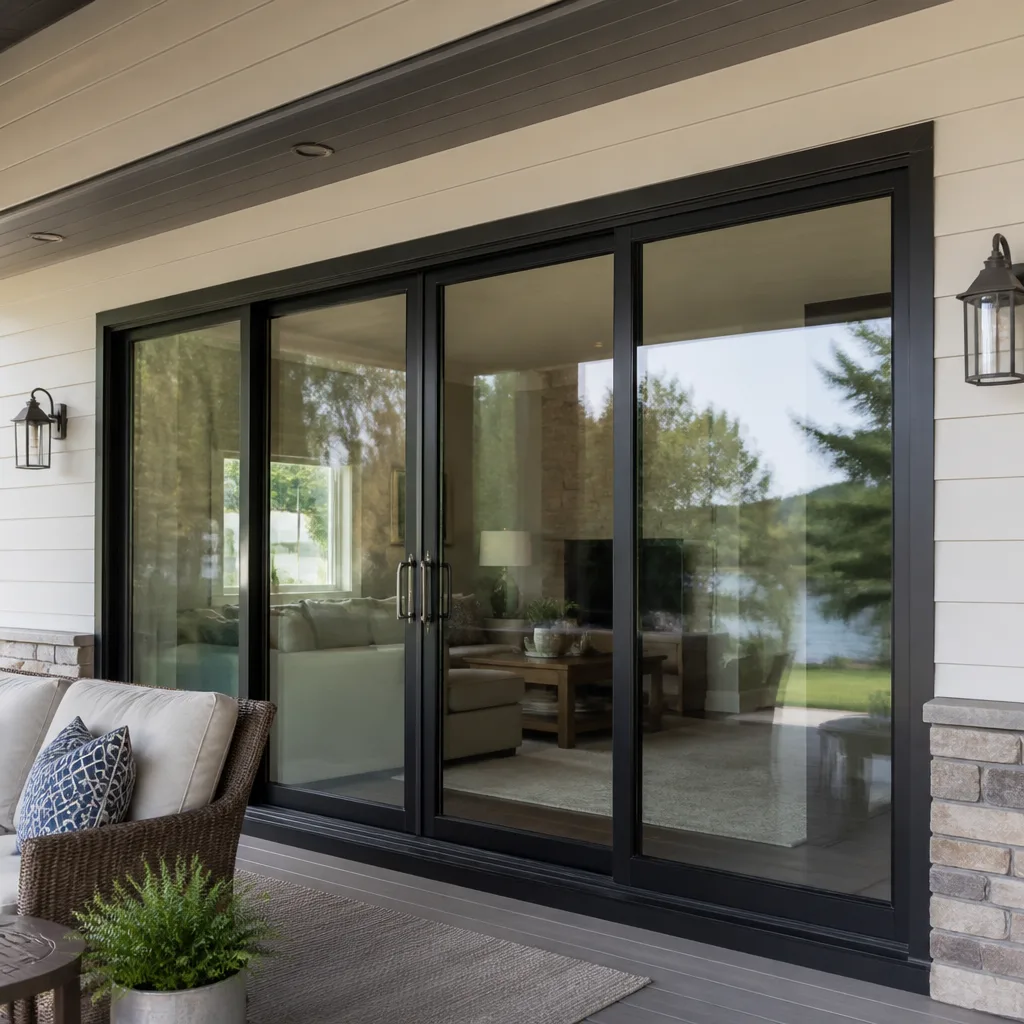
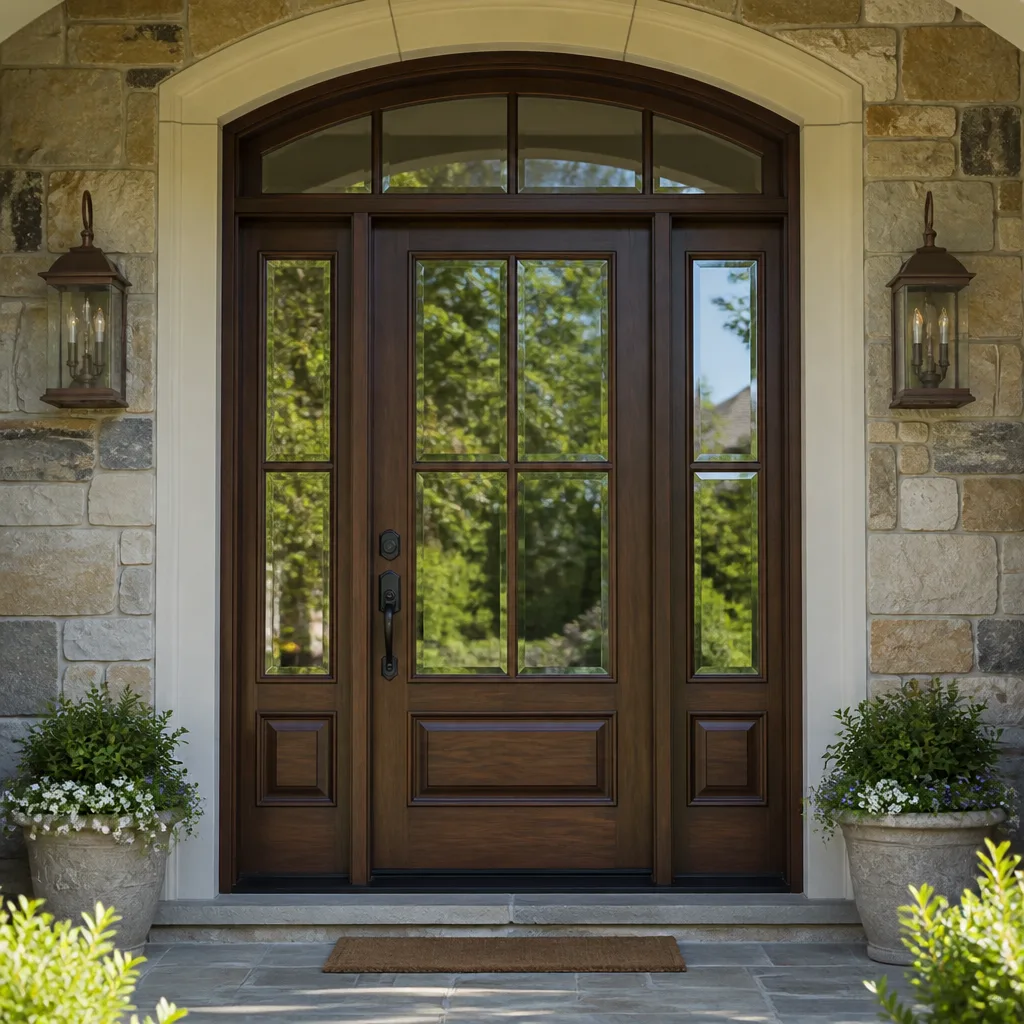
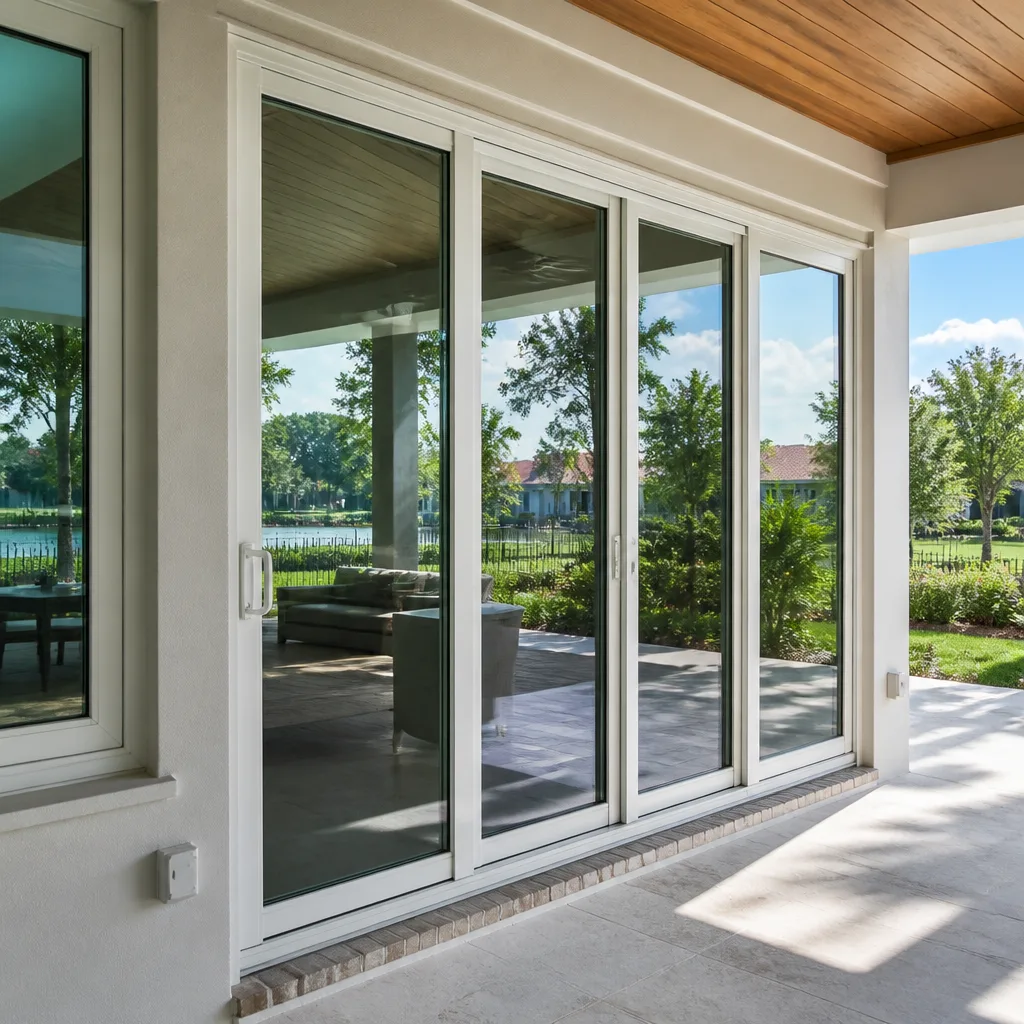
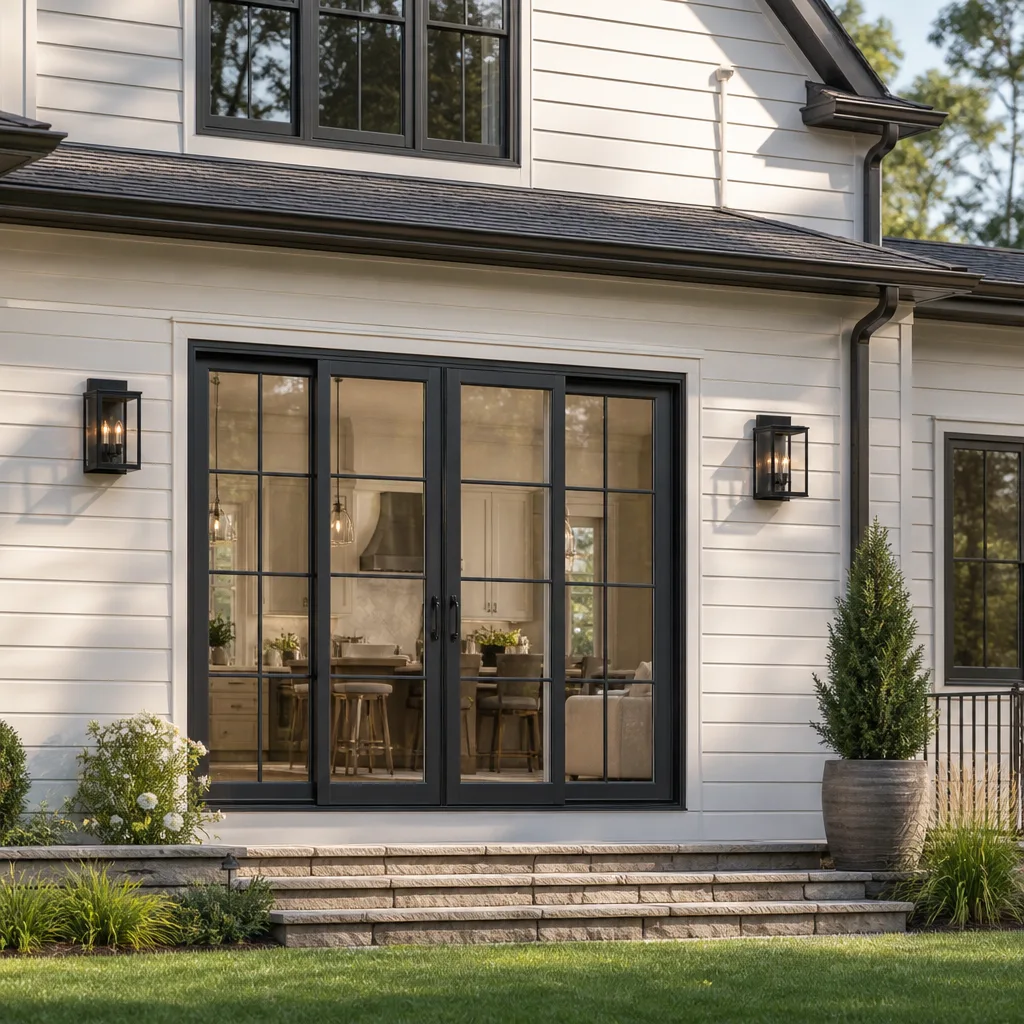
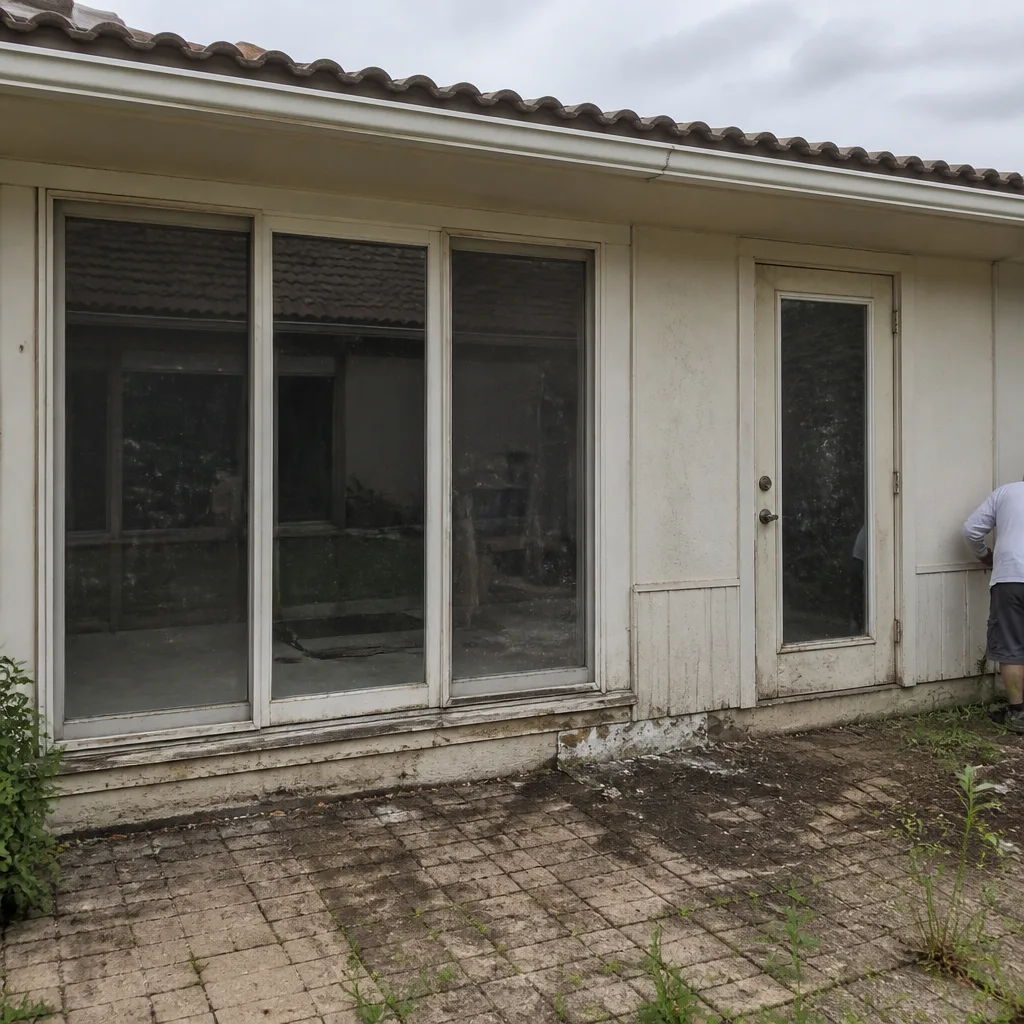 Before
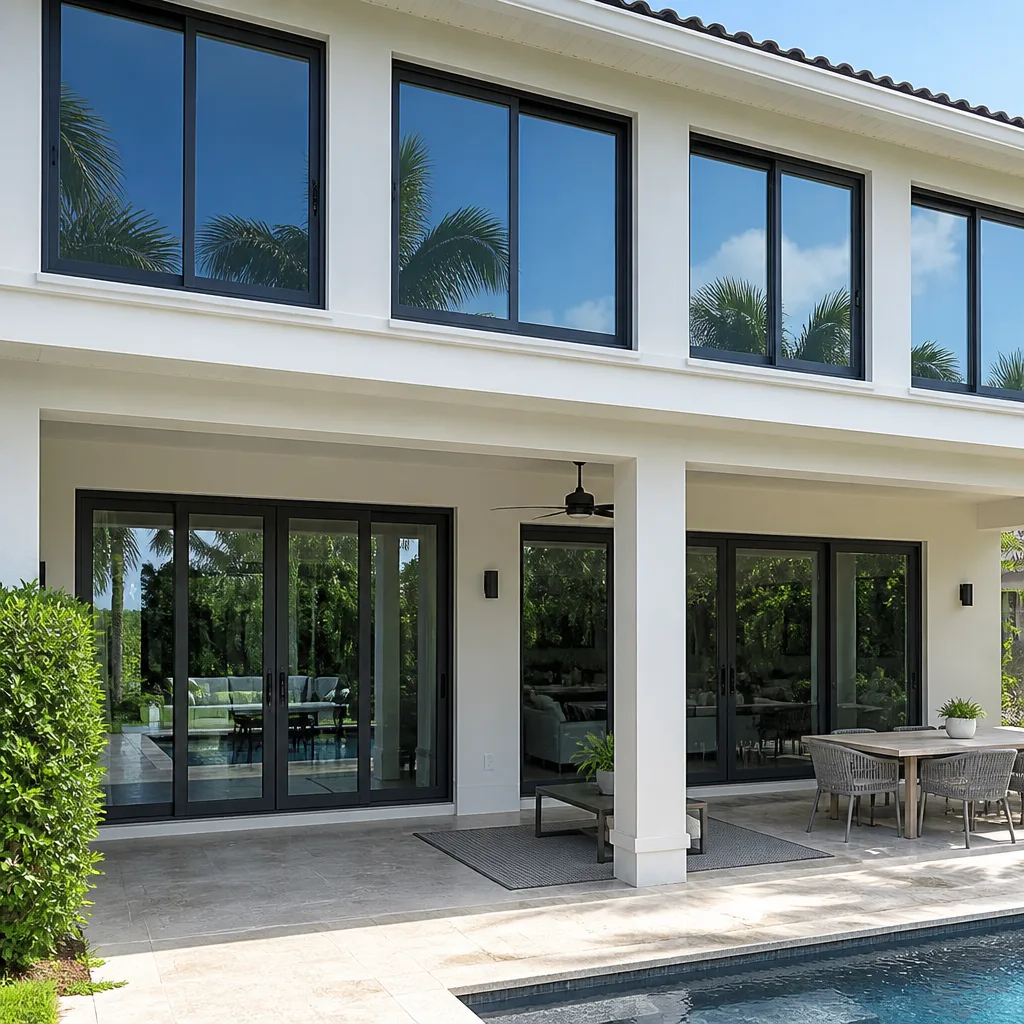 After
After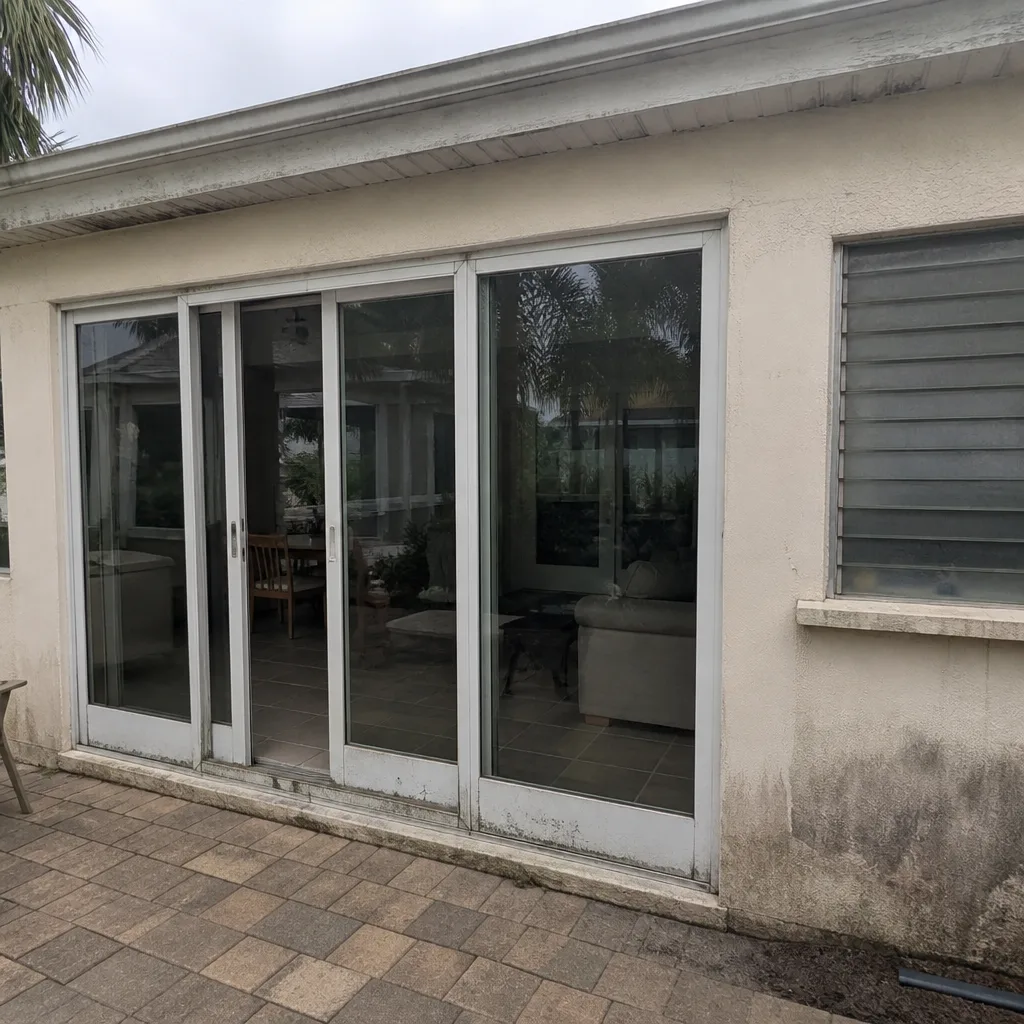 Before
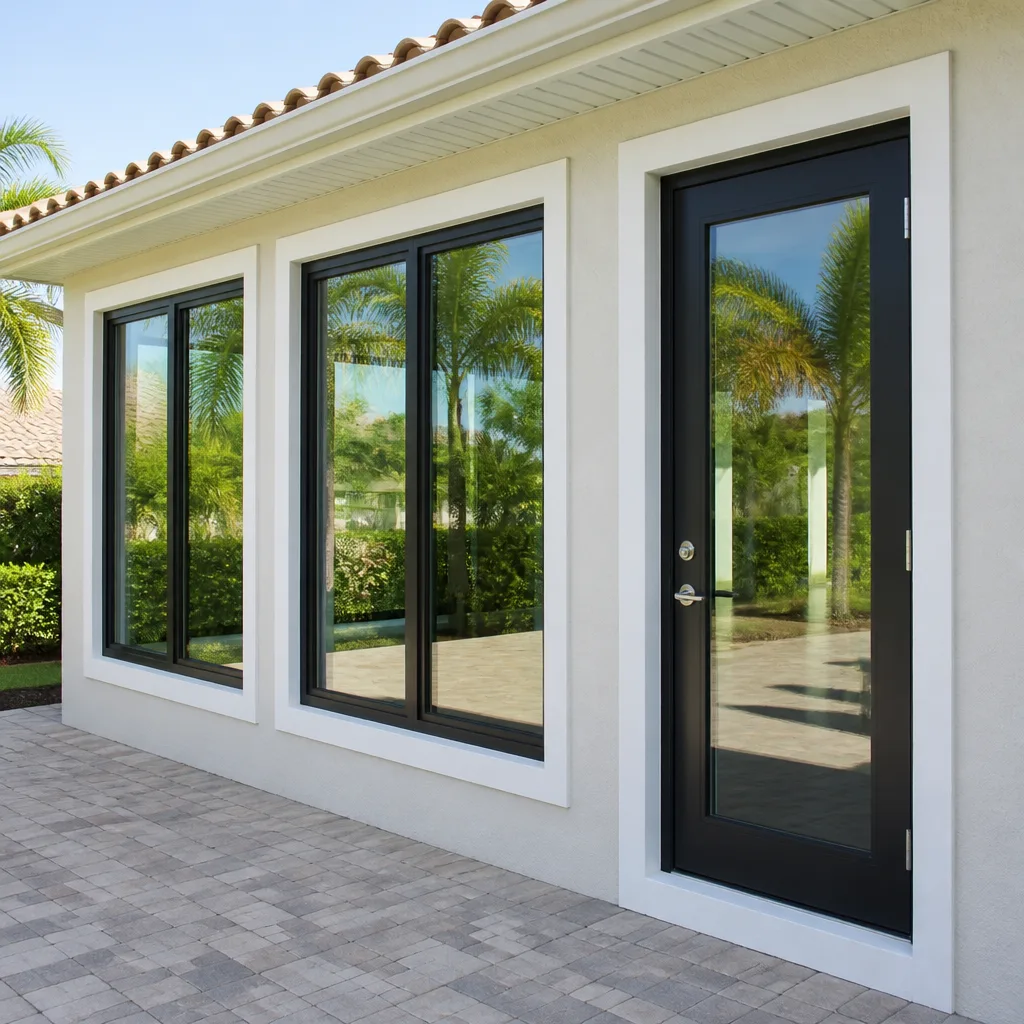 After
After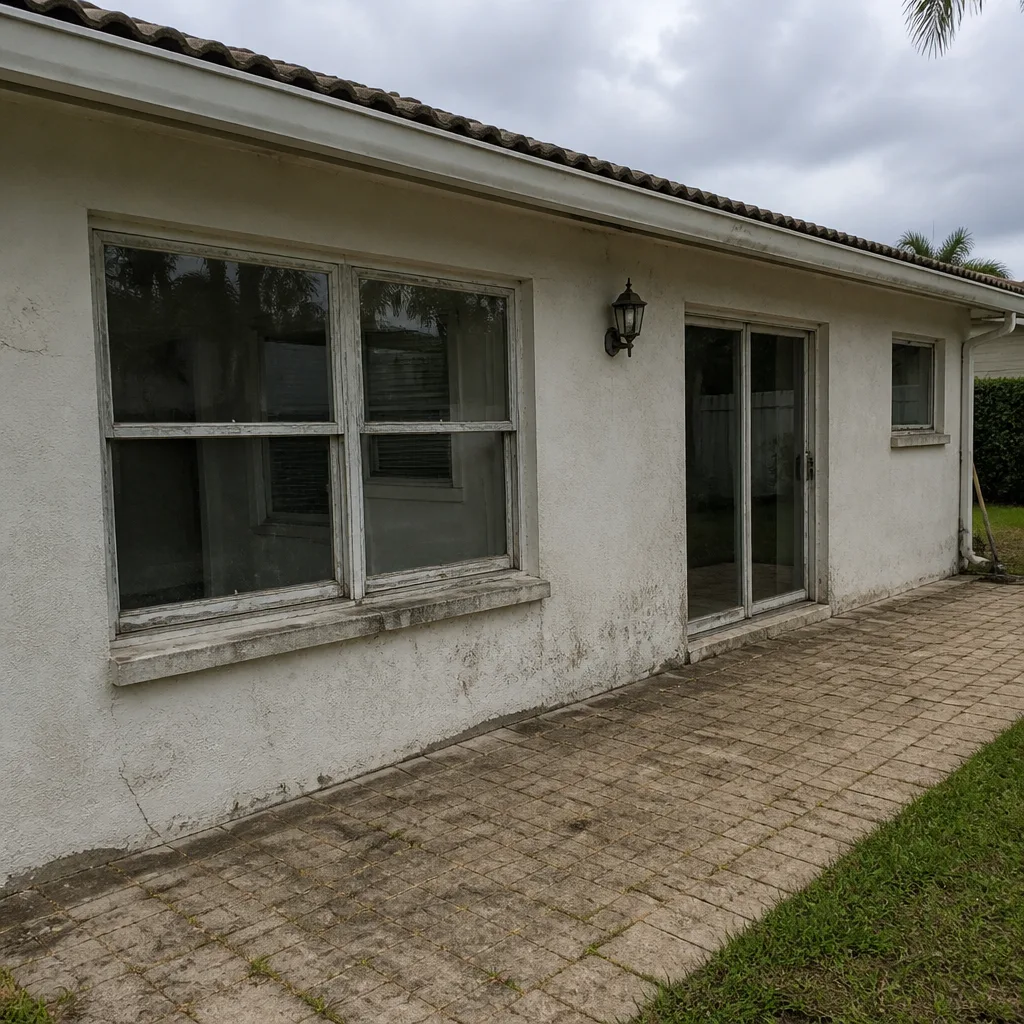 Before
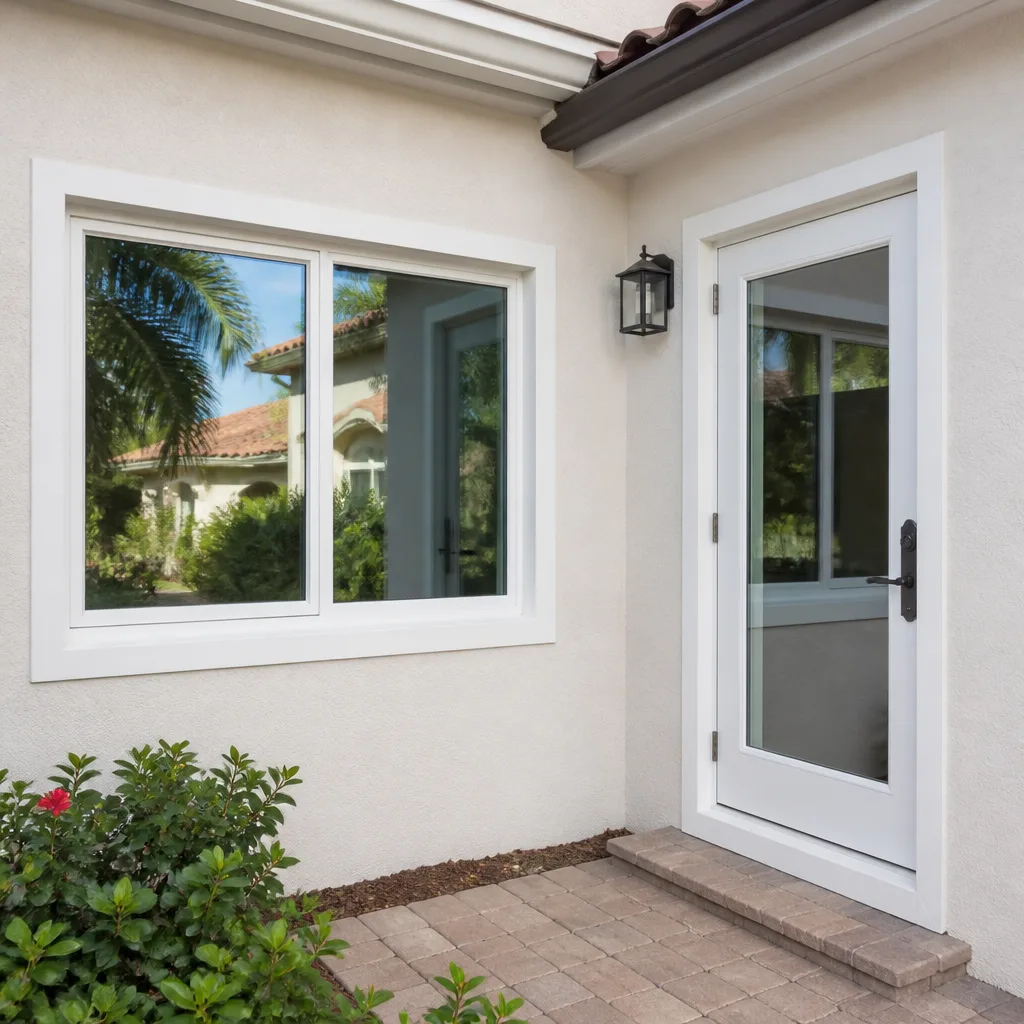 After
AfterThe Complete Guide to Windows & Doors in Naples
The Collier County Property Appraiser’s office logged over 2,300 permitted window and door replacements in Naples last year. A significant share of those homeowners will be back in the market within a decade, because the first job was specced for central Florida rather than a coastal salt zone. This guide explains why Naples is a different animal entirely, what the High-Velocity Hurricane Zone designation actually changes about product selection, and how to make one decision that holds up instead of three separate ones that don’t.
Quick Answer
Windows and doors in Naples must be selected, installed, and warrantied as one system because this city sits in a High-Velocity Hurricane Zone with salt-air corrosion, extreme humidity, and wind-load requirements that disqualify many products sold elsewhere in Florida. The right approach is to choose a HVHZ-rated product, have it installed by a company that registers both warranty layers in writing, and verify the work against Naples-specific code before the first storm season arrives.
Table of Contents
- What the HVHZ Designation Actually Means in Naples
- Impact-Rated vs. Impact-Tested: The Language Gap That Fails Inspections
- How Salt Air Corrodes Frames Differently by Material
- Why Dual Warranty Registration Matters More Here Than Anywhere Else
- The Sequencing Mistake That Voids Coverage Before Storm Season
- What Naples Homeowners Actually Pay: Cost Ranges by Product Type
- Maintenance Intervals Within One Mile of the Gulf
- Common Mistakes to Avoid
- When to Call a Professional
- Frequently Asked Questions
- The Bottom Line
What the HVHZ Designation Actually Means in Naples
Naples sits inside a High-Velocity Hurricane Zone, a code designation that covers only Miami-Dade and Broward counties plus the coastal portion of Collier County. Building codes here require windows and doors to withstand wind pressures that inland Florida products are never tested for. A window that passes code in Orlando or Ocala may not be legal in Naples, and that difference shows up at inspection.
The HVHZ standard means products must pass missile-impact testing, specifically a nine-pound two-by-four fired at the glass at 50 feet per second, followed by 9,000 positive and negative wind-pressure cycles. Products that pass get a Notice of Acceptance, or NOA, filed with the county. Without that NOA number, the product cannot be permitted in Naples. We see homeowners learn this the hard way when they buy a window online or from a big-box store, only to have the permit application rejected because the product lacks a Collier County NOA.
What this means for the homeowner is straightforward: the product selection starts with code compliance, not with looks or price. A window that is not approved for the HVHZ is not a window for Naples, regardless of what the marketing says. Ask for the NOA number before you ask about glass packages or frame colors.
For a deeper look at how this applies to impact windows in Naples, our guide covers the testing protocols and what the NOA sticker on the frame actually certifies.
Impact-Rated vs. Impact-Tested: The Language Gap That Catches Homeowners Off Guard
Impact-rated and impact-tested sound like the same thing. They are not, and the difference is where a lot of Naples homeowners get burned at inspection or at claim time. Impact-rated means the complete assembly, glass plus frame plus hardware, has been tested and approved as a unit under HVHZ protocols. Impact-tested can mean the glass alone was subjected to a missile test, without the frame or the installation method being part of the certification.
- Impact-rated: The full window or door unit carries an NOA from Miami-Dade or Florida Building Code testing. Glass, frame, and anchoring are approved together. This is what Naples code requires in the HVHZ.
- Impact-tested glass in a non-rated frame: The glass may stop a missile, but the frame may not hold the glass in the opening under negative pressure. This fails inspection in Naples.
- Impact-tested glass in a rated frame with unapproved anchoring: Even with good components, the method of fastening the frame to the structure must match the tested assembly. Substituting fasteners or spacing changes the system and voids the NOA.
The practical lesson: when a quote says “impact glass,” ask whether the entire assembly carries an NOA for the HVHZ. If the answer is anything other than yes, with a number you can verify on the county’s product approval database, keep looking. In our experience, the language gap is rarely malicious, but it is common, and the homeowner is the one who stands in front of the inspector or the insurance adjuster when it surfaces.
How Salt Air Corrodes Frames Differently by Material
Naples is a salt environment, and within one mile of the Gulf the salt load on window and door frames is constant. The material you choose determines how long the frame holds its finish, how often the hardware needs service, and whether the operating mechanisms survive past the first decade. Here is what we see in the field.
- Aluminum: The most common frame material in Naples, and for good reason, it handles the wind loads well. But raw or poorly finished aluminum pits and oxidizes in salt air within a few years. A high-quality anodized finish or a marine-grade coating is non-negotiable within a mile of the water. Without it, the frame will show white corrosion at the joints and the screen track will seize.
- Vinyl: Vinyl does not corrode the way aluminum does, but salt and UV together degrade the plasticizers that keep vinyl frames from getting brittle. Budget vinyl frames in Naples tend to discolor and crack at the corners within eight to twelve years. Higher-grade vinyl with titanium dioxide stabilizers lasts longer, but still needs more frequent hardware lubrication in the salt zone.
- Fiberglass: Fiberglass handles salt better than aluminum or vinyl, and it expands and contracts less with temperature swings. The tradeoff is cost, fiberglass runs 20 to 40 percent more than a comparable aluminum frame. For homeowners planning to stay in the house for twenty years, the math often works. For a shorter hold, the premium may not pay back.
The salt zone also affects hardware. Rollers, hinges, and locks on doors within a mile of the Gulf need cleaning and lubrication twice a year, not once. We use a marine-grade lubricant on every coastal install because the standard hardware grease washes out and leaves the mechanism grinding.
Why Dual Warranty Registration Matters More Here Than Anywhere Else
In a HVHZ county, the warranty question is not whether the product has one, but whether the person who installed it registered it, and whether the installation work itself is covered. This is the dual warranty concept: the manufacturer covers the product, and the installer covers the work. In Naples, both layers matter.
The manufacturer warranty covers glass seal failure, frame defects, and hardware failure. But most manufacturer warranties are voided by improper installation, and the manufacturer’s first question when a claim comes in is whether the unit was installed by an authorized or trained party. If not, the claim dies before it starts. The installer warranty covers the flashing, the anchoring, the squareness of the frame, and the water seal. If water gets in around the frame because the flashing was done wrong, the manufacturer will not cover that. The installer must.
What we do at TruePane Windows & Doors is register both warranty layers in writing before the truck leaves the driveway. The homeowner gets a copy of the manufacturer registration and a written statement of our 90-Day Done Right Promise. If something is not right, we come back and make it right, no paperwork fight. That is the Keystone Standard, and in a coastal county where a failed seal or a water leak shows up fast, it is the difference between a phone call that gets answered and a claim that gets denied.
For homeowners comparing quotes, the question is simple: will the company put both warranty layers in writing? If the answer is no, or if the answer is vague, the quote is not comparable to one that does.
The Sequencing Mistake That Voids Coverage Before the First Storm
The most expensive mistake we see in Naples is not a bad product, it is a bad sequence. Homeowners pick the glass first, then the frame, then the installer, and each choice is made in isolation. The result is a mismatch: a glass package that is not approved with the frame, a frame that is not approved with the anchoring method, an installer who is not authorized by the manufacturer, and a warranty that is void before the first storm season.
The right sequence is the reverse. Start with the installer. A qualified installer carries authorizations from the manufacturers they install, knows which product combinations carry NOAs in Collier County, and takes responsibility for the full assembly. Then choose the frame and glass together as a tested system, not as separate components. Then verify the warranty registration in writing.
- Choose the installer first. Confirm they are authorized by the manufacturers they quote and that they register warranties in writing.
- Select the system, not the glass. Pick a tested combination of frame and glass that carries an NOA for the HVHZ.
- Review the anchoring spec. The fastening method must match the tested assembly. Ask what fasteners will be used and at what spacing.
- Confirm both warranty layers in writing. Before the job starts, get the manufacturer registration plan and the installer’s workmanship warranty on paper.
This sequence protects the homeowner from the most common failure pattern in Naples: a beautiful window that leaks at the frame, fails at the hardware, and has no valid warranty to cover either.
If you are starting from scratch, our window replacement guide for Naples walks through the full process from first measurement to final inspection, including what questions to ask before signing a contract.
What Naples Homeowners Actually Pay: Cost Ranges by Product Type
Window and door pricing in Naples runs higher than inland Florida because the products must meet HVHZ testing, and the installation methods are more demanding. Here are the ranges we quote most often for this market.
| Product Type | Typical Naples Price Range (Installed) | Notes |
|---|---|---|
| Single impact window replacement | $1,200 - $3,200 | Depends on size, frame material, and glass package |
| Full-house window replacement (2,000 sq ft home) | $22,000 - $48,000 | Varies by window count, frame choice, and permitting |
| Impact sliding glass door | $4,500 - $9,500 | Multi-panel doors run higher |
| Impact front entry door | $3,800 - $8,200 | Includes frame, hardware, and weatherseal |
| French door (impact-rated pair) | $5,500 - $11,000 | Wider openings and transoms add cost |
| Glass railing system (per linear foot) | $350 - $650 | Frameless runs higher; permits included |
These are installed prices including permitting, which matters in Naples because the permit process adds time and cost that budget quotes often omit. A quote that looks cheap but does not include the permit is not cheap, it is incomplete. Ask every bidder whether the permit fee is in the number.
For a full breakdown of what affects window installation costs in Naples, see our dedicated pricing guide with real project examples from recent jobs.
Maintenance Intervals Within One Mile of the Gulf
Salt air changes the maintenance calendar. A window or door that needs attention once a year in inland Florida needs it more often within a mile of the Gulf. Here is the schedule we recommend to our Naples customers who live in the coastal zone from Port Royal to Pelican Bay.
- Tracks and rollers: Clean and lubricate every 6 months. Salt crystals build up in the track and grind the rollers. A door that starts to drag is telling you it is overdue.
- Weatherstripping: Inspect every 12 months. Salt and UV break down rubber seals faster here. A torn seal lets humid air in and drives up cooling costs.
- Frame finish: Wash every 6 months with mild soap and fresh water, not a pressure washer. Salt deposits left on aluminum will etch the finish. Rinse thoroughly and dry.
- Hardware: Check hinges, locks, and handles every 12 months. Replace corroded hardware before it fails in a way that prevents the door from locking, which also voids some impact ratings.
- Glass and screens: Inspect for pitting and screen tears every 12 months. Salt spray can pit glass over time, and screens in the salt zone tear more easily because the frame corners corrode and pull the mesh tight.
We offer an $89 seasonal tune-up that covers the track cleaning, lubrication, hardware check, and weatherseal inspection on every accessible window and door. For a house within a mile of the Gulf, twice a year is the right rhythm, once before hurricane season and once after.
Common Mistakes to Avoid
- Buying a window without an NOA for Collier County. A product that is legal in Lee County or inland Florida may not carry a valid NOA here. Check the number before you pay. Without it, the permit will not clear and the product is not code-legal in Naples.
- Choosing glass before choosing the installment. The glass, frame, and anchoring method must be tested as a unit. Picking the glass first and then shopping for someone to put it in is the sequence that creates mismatches and voids warranties.
- Assuming the manufacturer warranty covers installation errors. It does not. If water gets in around the frame due to poor flashing, that is on the installer. If the installer has no written workmanship warranty, it is on you.
- Skipping the permit to save money. Unpermitted window and door work in Naples can come up at resale and can also be flagged by your insurer after a storm. Permitting is not optional overhead, it is the paper trail that protects the homeowner.
- Ignoring frame material in the salt zone. A cheap vinyl frame or a poorly finished aluminum frame within a mile of the Gulf will show its age in five years. The material choice is a maintenance decision, not just an aesthetic one.
- Treating all impact glass as equal. Impact-rated and impact-tested are different things. Verify that the complete assembly carries the rating, not just the glass lite.
- Not asking about warranty registration. A manufacturer warranty that is never registered is a piece of paper. A company that does not register warranties in writing is telling you something about how they will handle a future claim.
When to Call a Professional
Window and door work in Naples is not a weekend project. Any time the work involves removing an existing unit, you are dealing with the building envelope, the water seal, and the HVHZ anchoring requirements. If you see water stains around a frame, a door that binds in summer, glass that fogs between the panes, or a window that will not stay open, the problem is structural, not cosmetic. The same applies to any job that requires a permit, which in Naples covers every replacement and new installation in the HVHZ. TruePane Windows & Doors offers free estimates in Naples, call (239) 326-9942 and a real person answers.
Frequently Asked Questions
Full-house window replacement in Naples typically runs between $22,000 and $48,000 for a 2,000 square foot home, while single impact window replacements run $1,200 to $3,200 each installed. The range depends on frame material, glass package, and whether the quote includes permitting. Call (239) 326-9942 for an exact quote, estimates are free.
Yes, if your home is in the HVHZ portion of Collier County, which includes most of coastal Naples, your windows and doors must be impact-rated or protected by an approved shutter system to meet code. The requirement applies to new construction and to any replacement of an existing window or door.
Impact-rated means the complete window or door assembly, glass plus frame plus anchoring, has been tested and approved as a unit under HVHZ protocols and carries an NOA. Impact-tested can mean only the glass was tested, which does not meet Naples code without the rest of the system passing as well.
In the Naples salt environment, a quality impact window with a marine-grade frame finish typically lasts 20 to 30 years on the glass and 15 to 25 years on the hardware, assuming the maintenance schedule is kept. Budget vinyl frames within a mile of the Gulf often show cracking and discoloration within 8 to 12 years.
Technically yes, but it is rarely a good idea. Naples requires a permit for window and door replacement, and the anchoring and flashing must match the tested assembly to maintain the HVHZ rating. A DIY job that violates the anchoring spec voids the manufacturer warranty and can fail inspection.
Ask whether they are authorized by the manufacturers they quote, whether they register both warranty layers in writing, whether the permit fee is included in the price, and whether the products they quote carry a current NOA for Collier County. If the answer to any of these is vague or no, keep looking. Call (239) 326-9942 to ask us directly.
The Bottom Line
Naples is a corrosive, wind-loaded, humidity-saturated environment that disqualifies most window and door products sold elsewhere in Florida before they are even unboxed. The product, the installation method, and the warranty registration are one decision, not three. Choose an installer first, verify the NOA on the complete system, and get both warranty layers in writing before the work starts. That is how a window or door in Naples lasts twenty years instead of eight. TruePane Windows & Doors has served Naples since 2008 with the 90-Day Done Right Promise and the Keystone Standard, both warranty layers registered in writing, every job. Call (239) 326-9942 for a free estimate, and a live person answers.
Written by Dale Kessler, Owner at TruePane Windows & Doors, serving Naples since 2008.
Six Reasons Homeowners Choose TruePane Windows & Doors
Impact systems engineered to design pressures up to +/-100, matched to your wind zone - your openings hold when the storm arrives.
Low-E insulated impact glass from our manufacturer lines commonly cuts monthly cooling bills 20-30%.
Laminated impact glass shuts out up to 40% of outside noise - traffic, neighbors, weather.
Monitoring services run $30-90 a month. Laminated impact glass resists forced entry around the clock, with no subscription.
Florida homeowners average around 25% savings on the windstorm portion of their policy after protecting every opening - some homes qualify for more.
A full impact package upgrades curb appeal, buyer confidence and appraised value in one project.