
Last updated August 28, 2026
Free in-home measure and quote - PGT, CGI and CWS impact lines compared on your actual openings, style by style



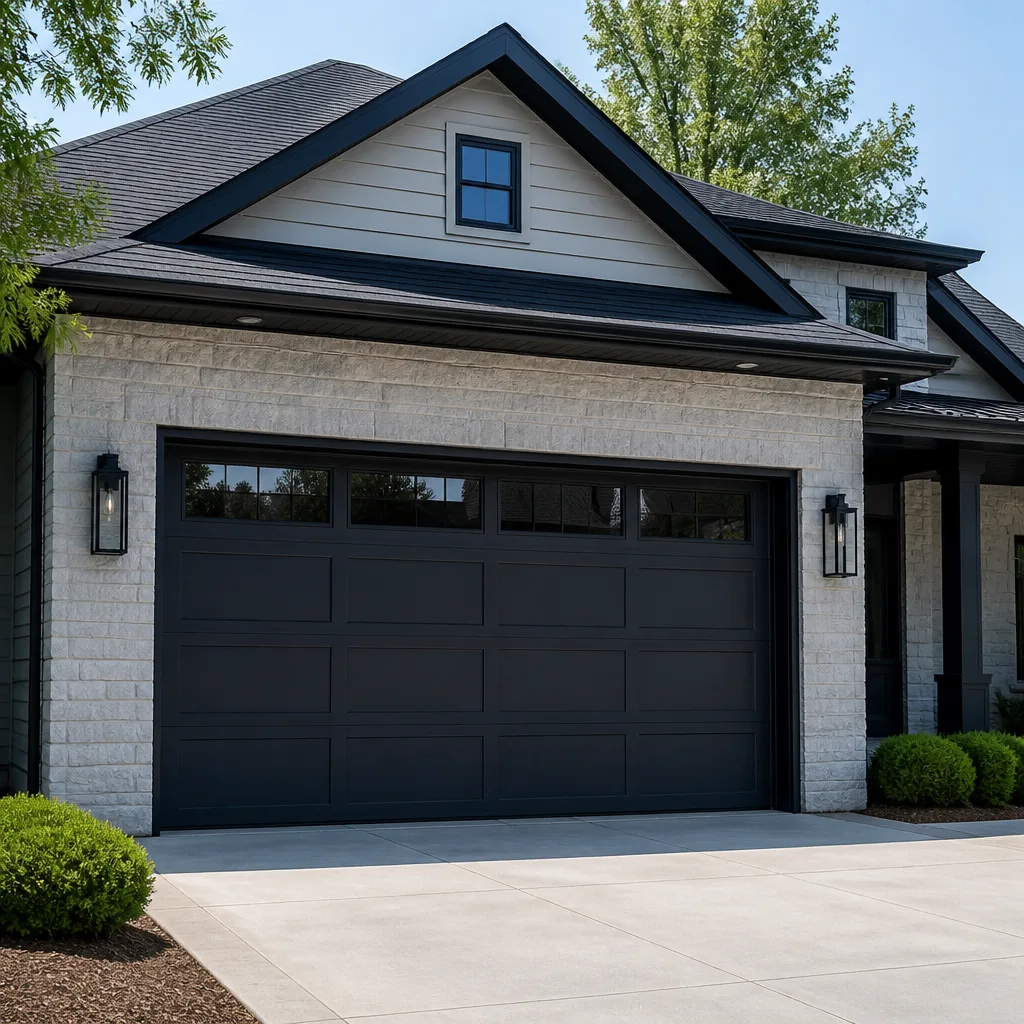
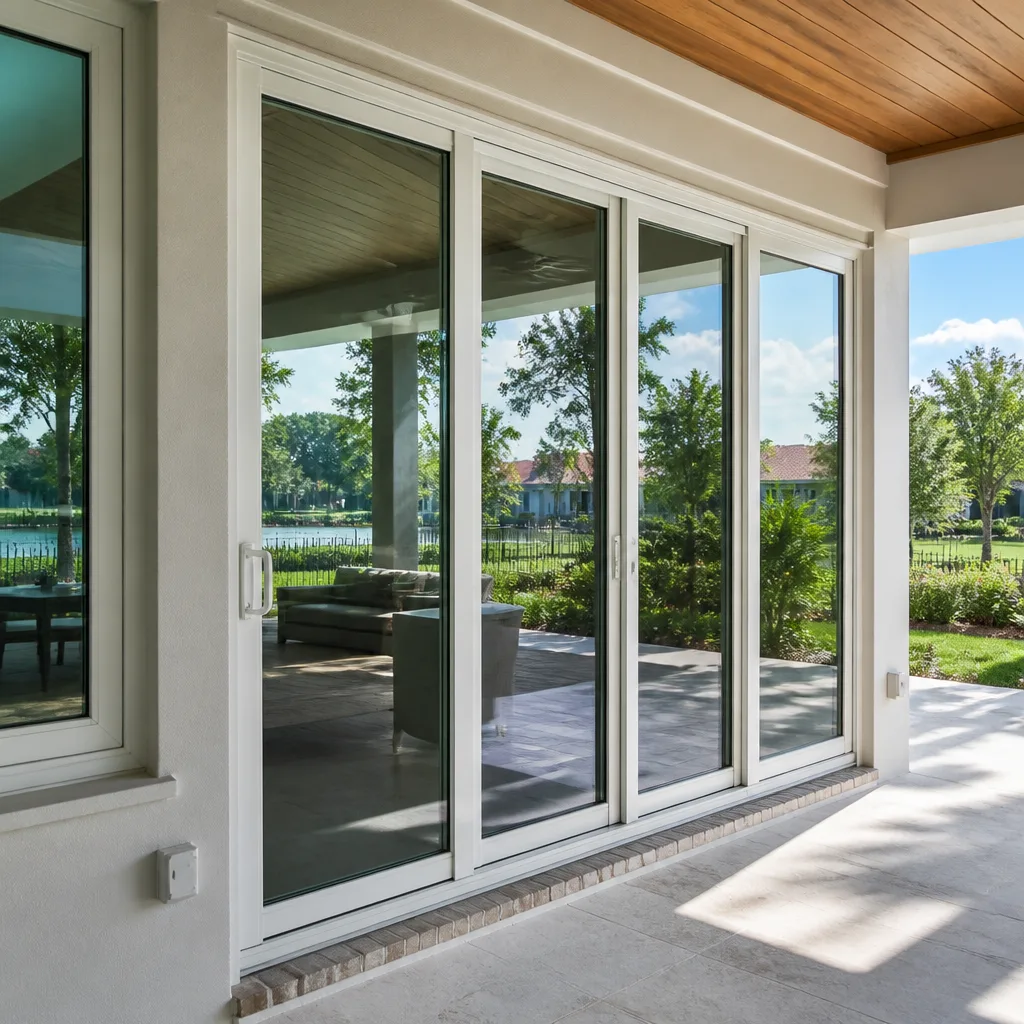

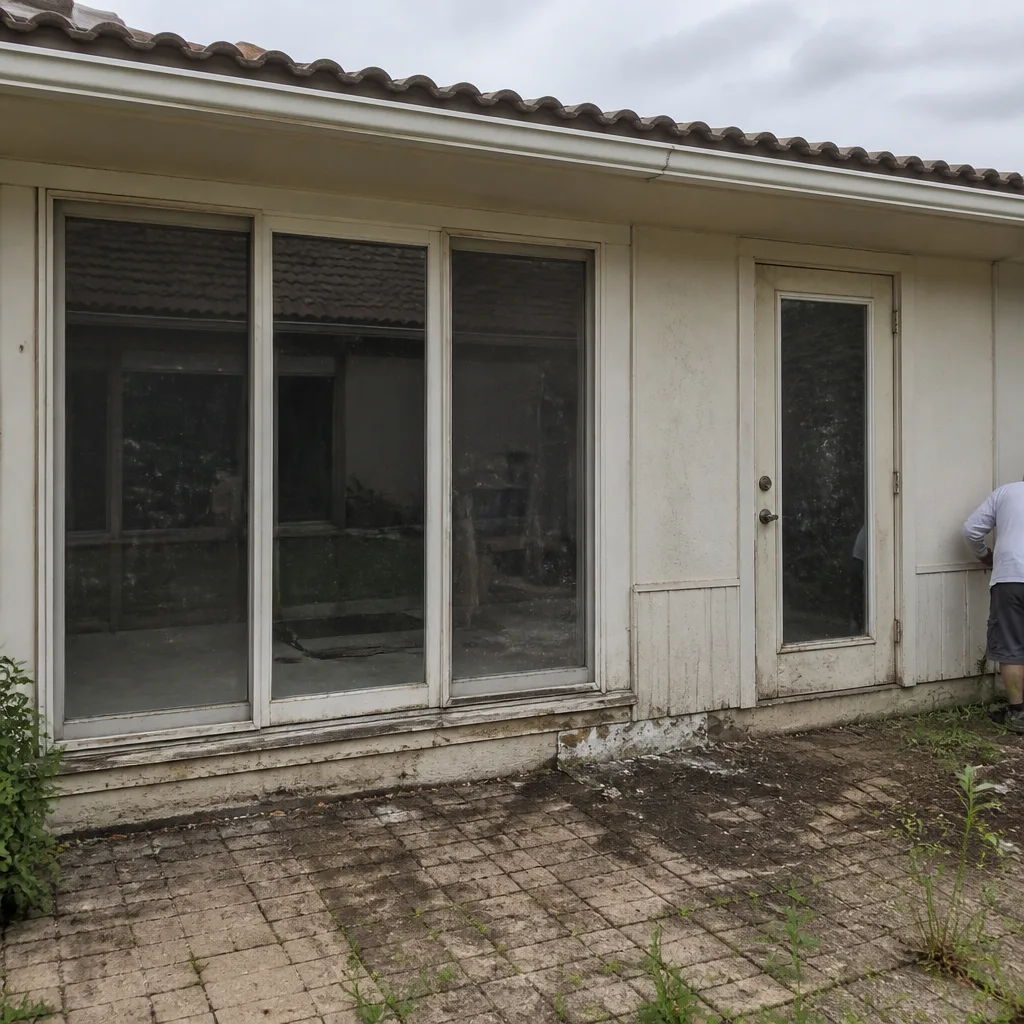 Before
 After
After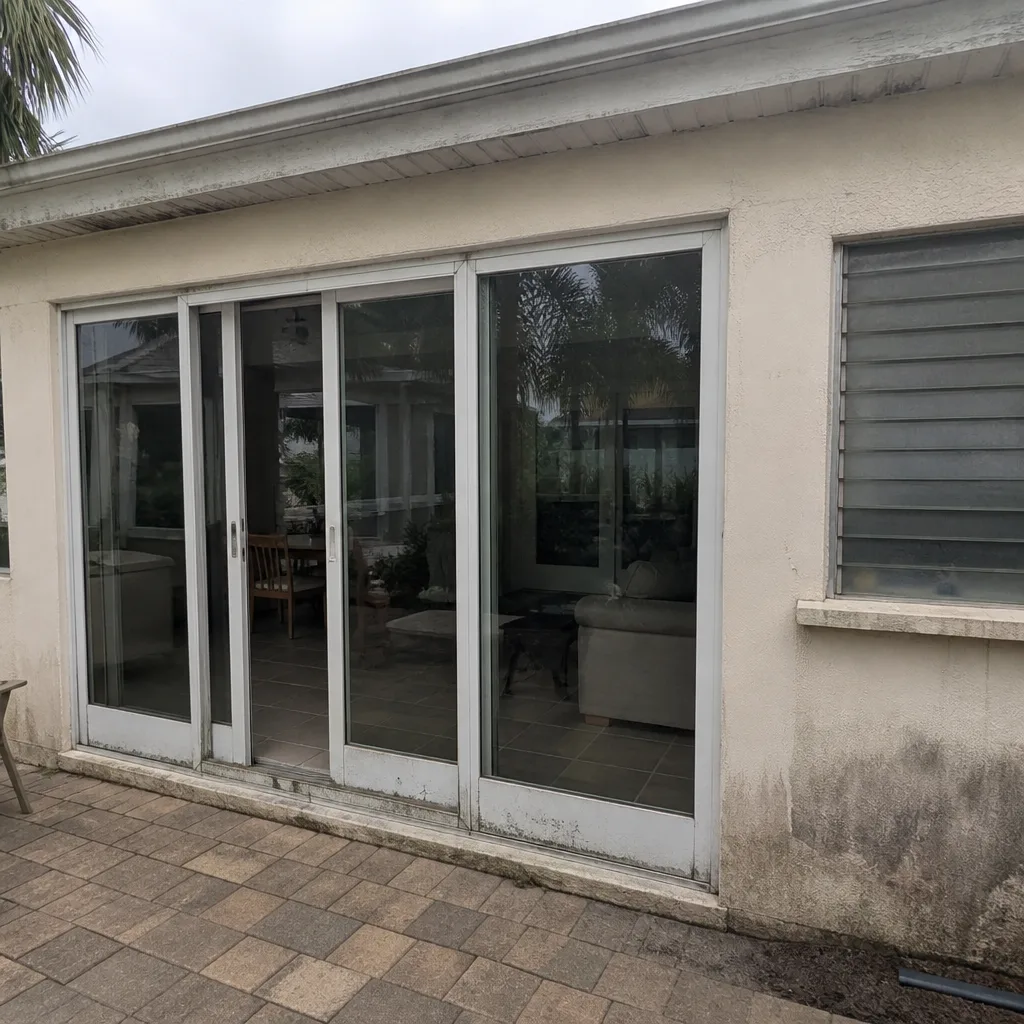 Before
 After
After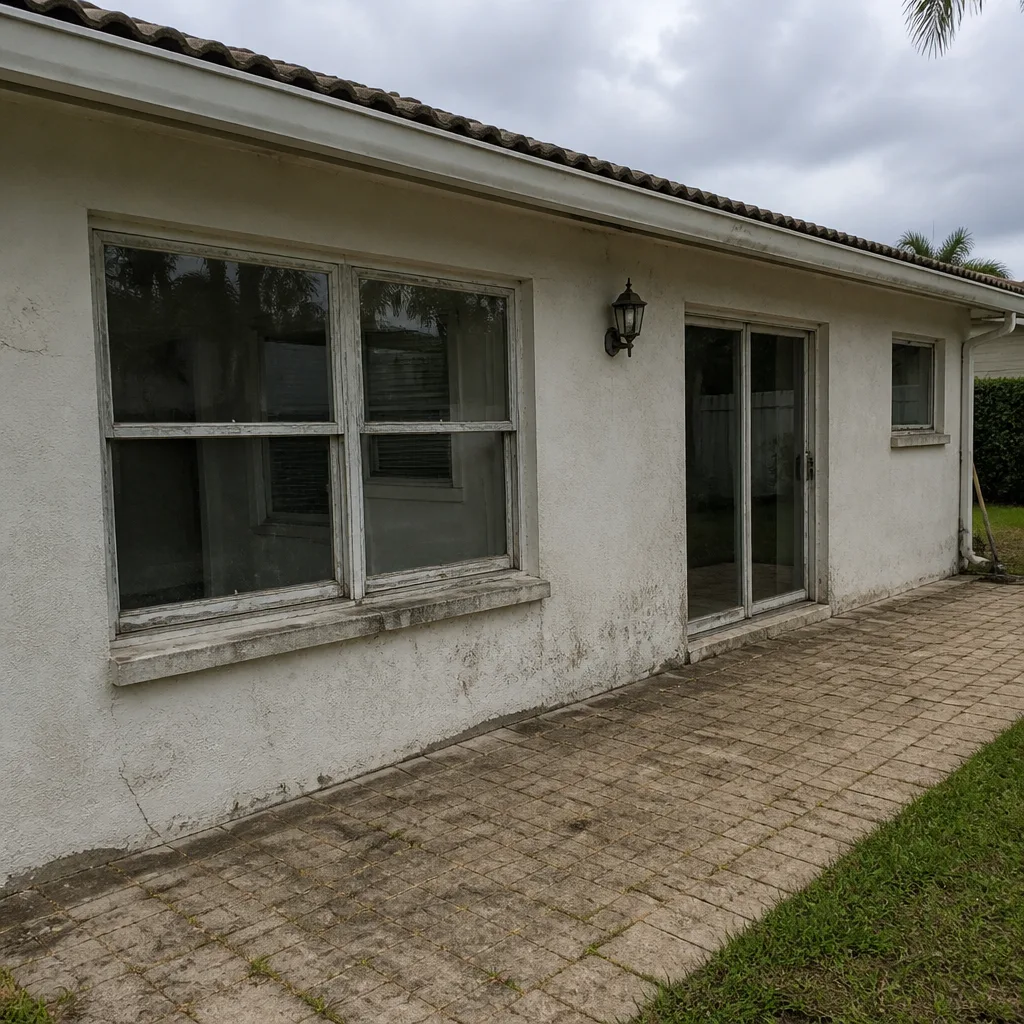 Before
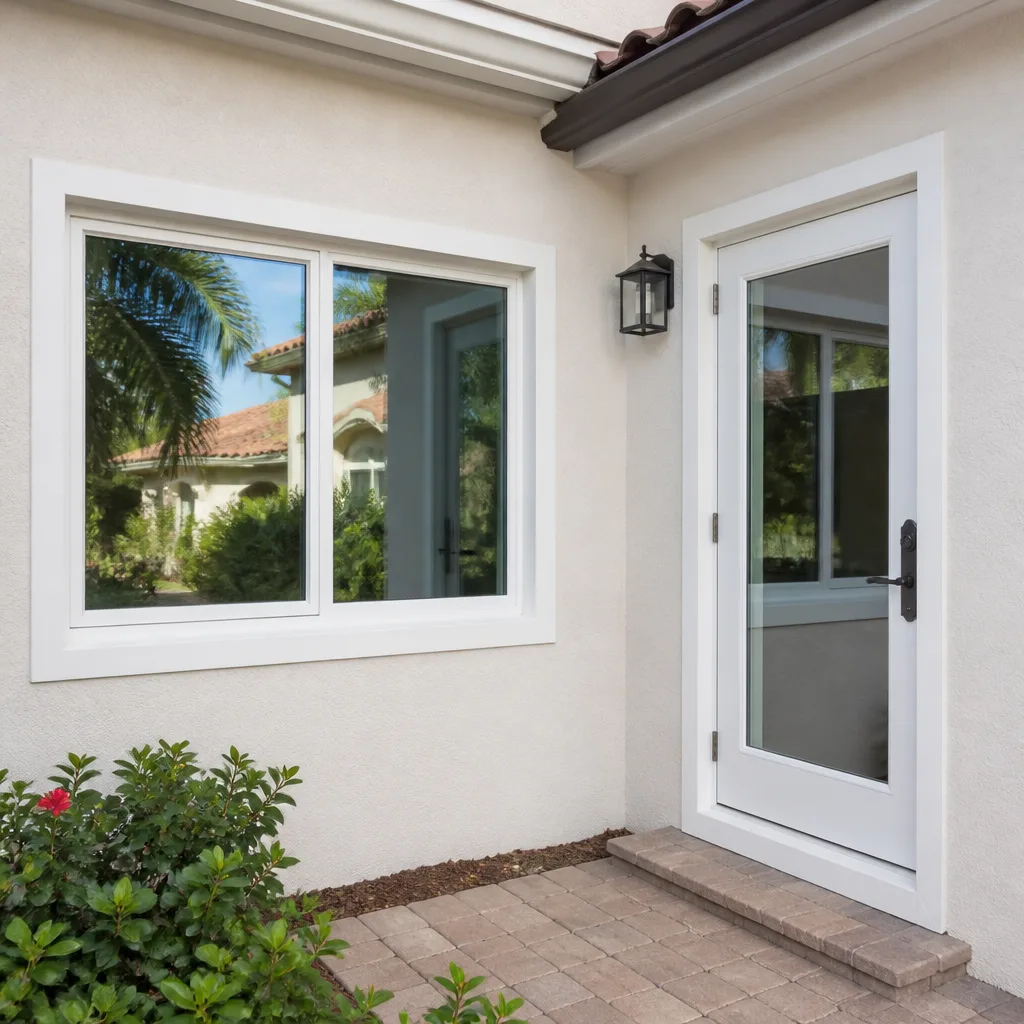 After
AfterWindows & Doors Warning Signs: A Naples Homeowner’s Reference Guide
Most Naples windows and doors do not fail suddenly. They send legible signals six to eighteen months before a problem becomes a damage event. A homeowner who knows what those signals look like can act on a $400 re-seal rather than a $6,000 frame replacement. This reference guide is organized by what you can observe from inside the house, not by what a contractor can measure on-site. It covers the warning signs that matter in Naples specifically, where salt air, humidity, afternoon storms, and shifting sandy soil work on window and door assemblies year-round.
Quick Answer
The most common window and door warning signs in Naples are inter-pane condensation (failed seal), stucco staining below a frame (flashing gap), a door that binds only in summer (frame movement from moisture/humidity), a lock that suddenly needs force (settlement shifting the rough opening), and a sash that drops or creaks when operated (balance spring wear, not frame racking). Any one of these is a signal to inspect, not panic. Most are repairable before they become structural.
Table of Contents
- Condensation Between the Panes: The Seal Has Already Failed
- Stucco Staining Below a Window: A Flashing Gap, Not a Gutter Problem
- The Dollar-Bill Test: How to Read a Door’s Weather Seal
- The Sound a Sash Makes: Balance Springs Versus Frame Racking
- A Lock That Suddenly Requires Force: Frame Movement in Naples Soil
- A Door That Binds in July: Moisture, Not Misalignment
- Drafts and Humidity: What a Naples Window Ought to Do
- Common Mistakes to Avoid
- When to Call a Professional
- Frequently Asked Questions
- The Bottom Line
Condensation Between the Panes: The Seal Has Already Failed
Condensation forming between the panes of a double-glazed unit is not a cleaning problem. It is proof the insulating gas seal has failed, the unit’s thermal performance is already gone, and the frame is now exposed to moisture cycling it was not designed to handle alone.
Here is the distinction that saves Naples homeowners money or costs them money, depending on when they learn it.
Surface condensation forms on the room-side face of the glass. It appears when warm, humid indoor air meets a cold pane. It wipes off with a cloth. It is normal, seasonal, and in some ways a sign the glass is doing its job: the cold is staying outside. In a Naples kitchen during August, a cold air-conditioned interior against 92-degree outdoor air will produce surface condensation on the exterior face of the glass. That is normal. Clean it or ignore it.
Inter-pane condensation forms inside the sealed airspace between two panes of an insulated glass unit, or IGU. You cannot wipe it. It appears as fog, haze, or water droplets that come and go with temperature swings. It does not matter how often you clean the glass, inside or out. The moisture is trapped in a space you cannot reach. That is a failed seal.
What actually happened is this: the hermetic seal around the IGU perimeter, the butyl or silicone bead that bonds the two panes to the spacer, has cracked or separated. Once that seal opens, the argon or krypton gas between the panes leaks out, and humid outside air leaks in. The gas is gone regardless of what happens next. The unit’s insulating value, the R-value or U-factor you paid for, is already compromised. The fog is only the visible symptom.
In Naples, the salt-laden air accelerates this. Sodium chloride attacks the sealant at the perimeter. The daily thermal cycle, hot day to air-conditioned interior, causes the glass and aluminum or vinyl frame to expand and contract at different rates. That repeated flexing eventually opens a pinhole. We see units in beach-adjacent neighborhoods like Port Royal and Aqualane Shores fail five to eight years sooner than identical units ten miles inland in Lely or Golden Gate Estates.
The fix depends on the sash. On a vinyl or aluminum window under about fifteen years old, replacing the IGU alone, a re-glaze, runs roughly $180 to $340 per unit in Naples, depending on size, glass package, and whether the sash can be removed and taken to a shop. On a wood window, or a unit where the frame itself shows rot or pitting at the perimeter, the conversation shifts to window replacement in Naples, because the frame is now a moisture pathway too.
Ignoring inter-pane fog does not just mean looking through a haze. The moisture inside the unit eventually condenses on the interior surfaces of the glass. That water runs down inside the unit and sits against the bottom of the frame. In a coastal environment, that is a slow corrosion cycle. What starts as a $300 re-seal becomes a rotted sill or a corroded aluminum frame in eighteen months.
Stucco Staining Below a Window: A Flashing Gap, Not a Gutter Problem
Stucco staining directly below a window frame in Naples is almost always a flashing gap allowing water to track behind the frame, not a gutter or roof issue. The stain is the tell: a rust-colored or gray-brown drip line running straight down from a window corner, often with hairline cracking in the stucco around it.
Here is the mechanism. Every window installed in a stucco-clad wall relies on a system of flashing, the metal or self-adhered membrane pieces above the window head and at the sill, to direct water out and away. In a properly flashed window, rain that hits the wall above the window runs down, hits a head flashing, is kicked outward over the frame, and drips off the sill flashing to the ground. The frame stays dry behind the stucco.
When the flashing is missing, short, or lapped backward, water gets behind the stucco at the window perimeter. It tracks down the building paper or house wrap, saturates the stucco from the backside, and eventually shows up as a stain on the exterior face. The stain is not on the surface. It is coming through. Cleaning or repainting the stucco does nothing, because the moisture is hidden behind it.
This matters more in Naples than in most markets for two reasons. First, the rain. We get afternoon thunderstorms in summer that can dump an inch of water in twenty minutes. A flashing gap under those conditions is a pressurized flow, not a drip. Second, the stucco. Most Naples homes are stucco over concrete block or over frame. Either way, stucco is a rigid, brittle material. It cracks. Once water works behind it and the stucco is saturated, the daily heat pumps the moisture into the wall cavity. You get mold inside the wall. You get termite activity. You get the paint peeling, and then you get the homeowner calling us about window installation in Naples after the fact, when the real issue started at the flashing line.
Watch for these specific signs:
- Rust-colored drip lines running straight down from a window corner, not from a gutter or roof edge
- Hairline cracks in the stucco radiating from the window corners
- Paint bubbling or peeling in a rectangular pattern around the window in the shape of the frame outline
- Stucco that feels soft or sounds hollow when tapped below the sill
If you see any of these, the right move is to have the window pulled and the flashing system inspected. That is a repair, not a replacement, in most cases. The fix is a bead of sealant at the top of the frame, a properly lapped piece of drip cap flashing, and re-bedding the window in new sealant. That is a several-hundred-dollar job on most residential frames. Left alone, it becomes a several-thousand-dollar stucco repair and a dehumidifier running in the wall.
The Dollar-Bill Test: How to Read a Door’s Weather Seal
A door’s weather seal should be checked the same way you check a window’s seal, with your eyes first, and then with a dollar bill. No tools. The test takes ninety seconds and tells you whether the sweep and the compression gaskets are doing their job.
Here is how to do it.
- Open the door and place a dollar bill in the door opening at the latch-side jamb, about halfway up. Close the door on the bill. The bill should be held firmly. You should feel resistance when you pull it out. If the bill slides out with no resistance, the weatherstripping is not compressing at that point.
- Repeat the test at the top corner, the center, and the bottom corner along the latch side. The resistance should be consistent. If the bill slips freely at the corner but holds in the center, the frame is racked or the weatherstripping is worn unevenly.
- Do the same along the hinge side and across the top. The hinge side usually compresses differently than the latch side because the door slab swings toward it. Some variation is normal. Free movement along more than one contact point is not.
- Close the door and look at the threshold from the inside with the lights off. If you see daylight under the door, the sweep is shot. That is the rubber or brush seal on the bottom of the door. In Naples, this is a common failure on west-facing doors, where afternoon sun bakes the sweep until it cracks and loses flexibility.
What the test tells you:
- Even, firm resistance at all points: the weatherstripping and the frame are doing their job.
- Loose at the corners, firm in the center: the frame has moved slightly out of square. The door slab is not seating evenly against the jamb. This is the early stage of frame racking, and it is worth correcting before the lock hardware starts to bind.
- Loose everywhere: the weatherstripping is compressed and shot. That is a simple replacement, about $100 to $250 on most doors in Naples, depending on the door type and seal profile.
- Daylight under the door: the sweep is gone or the threshold has settled. Either way, the door is not sealing, which means cooled air is leaving the house and humid air is coming in. In a Naples August, that is money leaving through the bottom of the door.
We use this test on every door we service, and we show the homeowner the result, because it turns an invisible problem into something you can feel. It is the difference between “the door seems fine” and knowing, by the resistance on a dollar bill, that the seal is doing what you paid for.
The Sound a Sash Makes: Balance Springs Versus Frame Racking
A window sash that is failing makes a specific sound, and it is not always a creak. In our experience in Naples, the sound tells you whether you are dealing with a hardware replacement, a balance spring or block and tackle, or a frame that has moved, which is a structural conversation.
Here is how to read the sound.
A soft clunk or a visible drop when the sash reaches the top or bottom of its travel is the sound of a balance spring or block-and-tackle that has lost tension. The sash does not glide; it falls the last two inches. When you lower it, it unbalances and one side settles lower than the other. Lift it halfway and let go. If it drifts down, the balance system is worn. This is a hardware replacement. On most double-hung windows in Naples, replacing both balances runs $100 to $200 per window, depending on the make and the weight of the sash. It is a routine service, done in under an hour per opening.
A grinding or scraping sound that occurs only on one side of the frame, and gets worse in summer, is a different animal. That is the sash rubbing against the jamb because the frame itself has moved. The rough opening has racked, or the house has shifted on its foundation enough that the window frame is no longer square. The sash is binding against the track. This is not solved by replacing balance springs. It is solved by re-setting the window in the opening or, in older Naples homes on spread footings, by addressing the settlement that moved the opening in the first place.
A sharp crack or pop when the sash moves is usually a broken pivot bar or a shoe that has slipped out of the track. The pop is the bar snapping, not the frame. That is a $75 to $150 repair on most sashes.
The distinction matters because the wrong fix does not fix. If you replace the balances on a racked frame, the new balances will bind against the same misaligned jamb and fail again in a season. If you ignore a failing balance, the sash becomes a hazard, dropping when you least expect it, and the window becomes harder to operate with every cycle.
Naples is especially hard on balance systems for one reason beyond salt: the daily temperature swing. A vinyl window frame in a Naples west-facing wall will see surface temperatures over 140 degrees in the afternoon, then drop to 75 degrees when the air-conditioned interior cools it. That thermal cycling flexes every moving part. A balance spring that would last twenty years in a temperate climate may last twelve to fifteen in Naples. If your windows are getting stiff or dropping, it is not your imagination. The environment is working on them.
A Lock That Suddenly Requires Force: Frame Movement in Naples Soil
A lock that requires force to engage is not a sign that the lock is dirty or cheap. It is a frame-movement warning. In Naples, where soil settlement and moisture-content shifts cause rough openings to move in ways that are invisible until hardware stops working, a suddenly stiff lock is often the first measurable sign that the wall around the window or door has shifted.
Here is why. A window lock, a sash lock, or a door deadbolt is a fixed piece of hardware mounted on a moving assembly. It was installed when the frame was square and the two locking surfaces met precisely. As the frame moves, so do the locking points. When a rough opening shifts by even an eighth of an inch, the lock’s keeper no longer lines up cleanly with the strike. The latch or cam hits the edge of the keeper instead of sliding into it. That requires force to close.
In Naples, the soil is the primary driver. Much of the Naples area sits on sandy, well-drained soils with a high water table. During the summer rainy season, the ground swells as it absorbs moisture. During the dry winter months, it shrinks. This seasonal cycle, repeated over years, causes shallow footings and slab-on-grade foundations to move slightly. A quarter-inch of differential settlement is enough to throw a window lock out of alignment. The movement is invisible. You cannot see the wall move. You feel it in the lock.
The warning signs to watch for:
- A window lock that used to close with one finger and now requires a wrist turn
- A deadbolt that scrapes the edge of the strike plate before it engages
- Double-hung sash locks that meet off-center, one lock catches and the other does not
- A patio door that latches at the top but not the bottom, or vice versa
If the lock is the only problem, and there are no other signs of movement, the fix is often a simple realignment. The sash is adjusted, the keeper is repositioned, or the strike is filed. That is a $100 to $200 service. If the stiffness is accompanied by drywall cracks above the window, a door that binds, or visible gaps appearing at the exterior trim lines, the movement is bigger than hardware. In that case, the rough opening must be addressed before the window or door is re-set.
This is the signal most Naples homeowners miss because they blame the lock. They spray it with lubricant. They buy a new lock. They install the new lock and find it binds exactly the same way, because the problem was never the lock at all. The problem was the frame, and the lock was the only thing honest enough to say so.
A Door That Binds in July: Moisture, Not Misalignment
A door that binds only in July is telling you something specific about moisture, not about the hinges or the strike plate. In Naples, the summer humidity pushes indoor relative humidity high enough to swell wooden door slabs and frames. The door grows. The opening does not. The result is a door that sticks only during the hot, wet months and swings freely in the dry winter air.
Here is the mechanism. A solid wood door, or a wood-framed door with a composite or wood stile, absorbs moisture from the air. Wood is hygroscopic. It expands with humidity and contracts with dryness. A standard 36-inch interior door can grow by an eighth of an inch from the dry season to the wet season. An eighth of an inch is the entire clearance between the door slab and the frame. So the door binds. The bottom edge rubs the threshold. The latch-side edge scrapes the jamb. The door no longer latches without a push.
This is normal seasonal movement, and it is especially visible in Naples homes that run air conditioning inconsistently or that have high indoor humidity because the AC is undersized or the windows are old and leaky. The fix is usually twofold: adjust the door so it clears the frame at its maximum seasonal size, and address the indoor humidity that is driving the wood movement.
But there is a version of a binding door that is not seasonal. That is the door that binds year-round, or that binds only after a storm, or that binds increasingly with each passing year. That is the frame moving, not the door. The distinction is the timing. A seasonal door is consistent with the calendar. A structural door marches in one direction.
Here is how to tell them apart:
- Mark the bind point. Run a piece of masking tape along the frame where the door rubs. Close the door. The rub leaves a mark on the door edge.
- Check the gap around the door in winter, with the house dry. If the gap is even and the door swings freely in January, the binding is seasonal humidity. If the gap is uneven in January, with the door touching at the top on one side and the bottom on the other, the frame has moved.
- Watch the position of the strike plate. If the deadbolt lines up cleanly in winter and scrapes in July, that is seasonal wood movement. If it scrapes all year, the jamb has shifted.
The seasonal fix is a door adjustment, which a careful contractor does by planing or trimming the door edge and re-hanging it with clearance for the maximum swollen size. The structural fix is a re-set of the door frame, and sometimes the adjacent opening. In Naples, where summer humidity runs high from May through October, knowing which problem you have is worth the time it takes to check.
Drafts and Humidity: What a Naples Window Ought to Do
In Naples, a window has two jobs, and only one of them is obvious. The obvious job is to keep the rain out. The less obvious job, the one that matters every single day, is to manage humidity transfer between the outside air and the inside air. A window that is failing lets humid outdoor air in, and that humid air then loads your air conditioner with moisture it was never meant to remove.
Here is the test. On a calm day, hold a strip of tissue paper near the closed window’s perimeter. Move it slowly around the frame. If the tissue flutters at any point along the jamb, the sill, or the meeting rail, there is an air leak. That is outdoor air coming in through a gap in the weatherstripping, the sash-to-frame interface, or the frame-to-wall interface.
In Naples, the practical consequence of a draft is not the same as in Minnesota. In Minnesota, a draft means heat loss and a cold house. In Naples, a draft means humidity load. The outside air in Naples in August carries a dew point around 75 degrees. When that air leaks into an air-conditioned house, the water condenses not on the window, but inside the wall cavity and on the AC coil. The AC fights the humidity. The house feels clammy even at 72 degrees. The unit runs longer. The electric bill climbs. The homeowner thinks the AC is the problem. Sometimes the windows are the problem.
Signs of a draft or humidity problem that trace back to windows:
- Tissue paper flutters at any point along the closed window perimeter
- The air near the window feels warm and damp on a hot day, even with the AC running
- You can feel air movement with the back of your hand where the window meets the sill
- Dust streaks appear on the interior sill, carried in by leaking air
- The window fogs on the interior surface in the morning, then clears, day after day
A window that seals properly will not flutter the tissue and will not carry the warm, wet outdoor air. When the seal fails, the window is no longer doing its second job, and the house pays for it in humidity and AC load.
The fix depends on where the leak is. Weatherstripping replacement is a $75 to $200 job per window. A sash that has warped or a frame that has pulled away from the wall is a more involved repair, and in some cases the better solution is a impact window replacement in Naples that seals the opening properly from the start. The point is to find the leak before another Naples summer of humidity goes through it.
Common Mistakes to Avoid
- Waiting until the window fails to call. A fogged IGU is a $300 re-seal today. The same window, left for eighteen months in Naples humidity, becomes a rotted frame and a $2,000-plus replacement. The signal arrives early. Respond early.
- Cleaning the glass to fix inter-pane fog. Surface condensation wipes off. Inter-pane fog is inside the sealed unit. Cleaning the glass changes nothing, because the moisture is not on the surface. It is trapped between the panes.
- Replacing the lock instead of the frame alignment. A lock that suddenly requires force is usually telling you the frame has moved. Replacing the lock without addressing the alignment simply installs a new lock into the same misaligned opening, and it will bind just like the old one.
- Caulking over a stucco stain. Stucco staining below a window is water tracking behind the frame. A bead of caulk on the outside surface traps the moisture inside the wall. The flashing gap must be addressed at the frame, not painted over at the surface.
- Ignoring a door that binds only in July. Seasonal binding is real, but so is progressive binding. The difference is whether the gap is even in winter. If it is not, the frame has moved and the door is the messenger.
- Lubricating a window balance that is already failing. A spray lubricant on a broken block-and-tackle or a sagging spring makes the window easier to move for about a week, then the sash drops again. The balance system needs replacement, not lubrication.
- Hiring on price alone for an impact window or door. The materials are only half the job. The flashing, the sealant, the frame setting, the warranty registration, those are the parts you cannot see and cannot pay for twice. In Naples, a cheap install on an impact window routinely costs more in stucco and rot repair than the window itself.
When to Call a Professional
Some warning signs are informational. Some are actionable. Call a professional when you see inter-pane fog that has been present for more than a season, stucco staining that does not dry out, a lock that needs force every time, a sash that drops, or a door that binds progressively. These are not comforts. They are measurements of a system that is no longer doing what you paid for. TruePane Windows & Doors offers free estimates in Naples, call (239) 326-9942. We measure every opening twice, put the price in writing, and register both warranty layers before the truck leaves the driveway. If a problem is someone else’s to fix, we tell you that. If it is ours, we fix it, and it stays fixed.
Frequently Asked Questions
A fogged IGU re-seal in Naples typically costs $180 to $340 per unit, depending on size, glass package, and whether the sash can be removed and re-glazed in place or in the shop. If the frame is damaged or the window is past its service life, replacement is the right call, and impact-rated replacements start around $900 to $1,400 per opening, depending on size and manufacturer line. Call (239) 326-9942 for an exact quote, estimates are free.
Inter-pane condensation on a modern vinyl or aluminum window is a failed IGU, and the IGU alone can usually be replaced without replacing the frame. The repair is a re-glaze. If the frame shows rot, corrosion, or the window is more than about twenty years old, replacing the whole unit often makes more financial sense than repairing an old frame that will fail again. A professional can make the call in one visit.
Summer humidity swells the wood in the door and frame, reducing the clearance until the door binds. This is normal seasonal movement in Naples, and the fix is to adjust the door for its maximum seasonal size. If the door sticks all year or sticks progressively more each summer, the frame is moving, and that is a different conversation.
A draft is important in Naples because it is not just air movement. It is humidity load. Leaking outdoor air carries moisture into the house, taxes the air conditioner, and causes that clammy feeling even when the thermostat reads 72 degrees. Fixing the draft reduces humidity and AC load. It is not cosmetic.
If the stain runs straight down from a window corner, persists after the weather dries, and is accompanied by hairline cracking or bubbling paint around the frame, it is almost certainly a flashing gap, not a surface issue. Water is getting behind the frame. It is serious. The frame needs to be pulled and the flashing corrected.
Windows in Naples typically last five to eight years less than the same units in a dry, temperate climate, because of the salt air, the daily thermal cycling, and the summer humidity. A window rated for twenty-five years may realistically serve fifteen to twenty years in coastal Naples. This is not a defect. It is the environment. Plan the budget accordingly.
The Bottom Line
Naples windows and doors do not fail without warning. They telegraph the failure in fogged glass, stained stucco, stiff locks, and doors that bind on schedule. Learn to read the signals, and you act on a re-seal before you face a frame replacement. Miss the signals, and the same window costs five times as much to address two years later. The message of this guide is not to watch every window nervously. It is to know what you are looking at. When the signal arrives, call someone who will tell you the truth about it. We have been doing that in Naples since 2008, and we plan to be here for the next thirty years. Call (239) 326-9942 for a free estimate, or start with the TruePane Windows & Doors home page to see how we work.
Written by Dale Kessler, Owner at TruePane Windows & Doors, serving Naples since 2008.
Six Reasons Homeowners Choose TruePane Windows & Doors
Impact systems engineered to design pressures up to +/-100, matched to your wind zone - your openings hold when the storm arrives.
Low-E insulated impact glass from our manufacturer lines commonly cuts monthly cooling bills 20-30%.
Laminated impact glass shuts out up to 40% of outside noise - traffic, neighbors, weather.
Monitoring services run $30-90 a month. Laminated impact glass resists forced entry around the clock, with no subscription.
Florida homeowners average around 25% savings on the windstorm portion of their policy after protecting every opening - some homes qualify for more.
A full impact package upgrades curb appeal, buyer confidence and appraised value in one project.