
Last updated August 28, 2026
Free in-home measure and quote - PGT, CGI and CWS impact lines compared on your actual openings, style by style










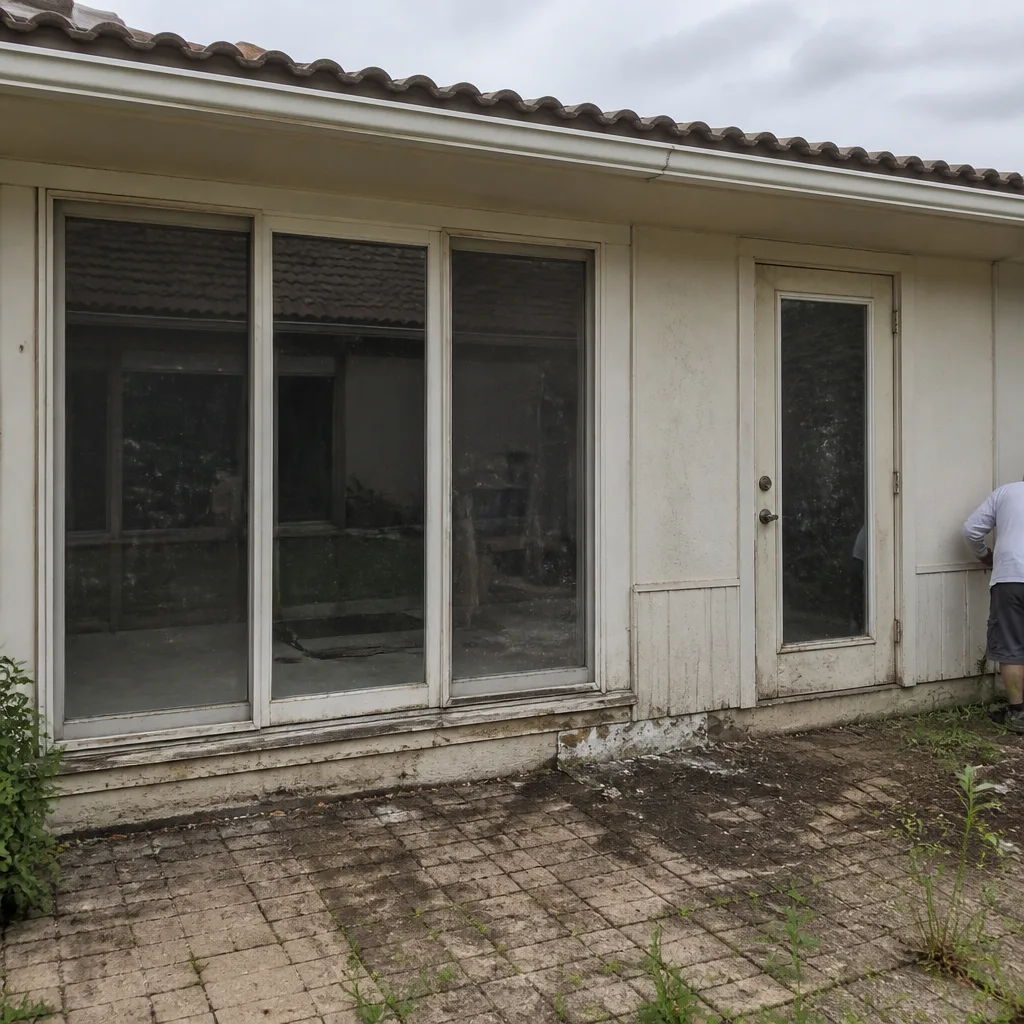 Before
 After
After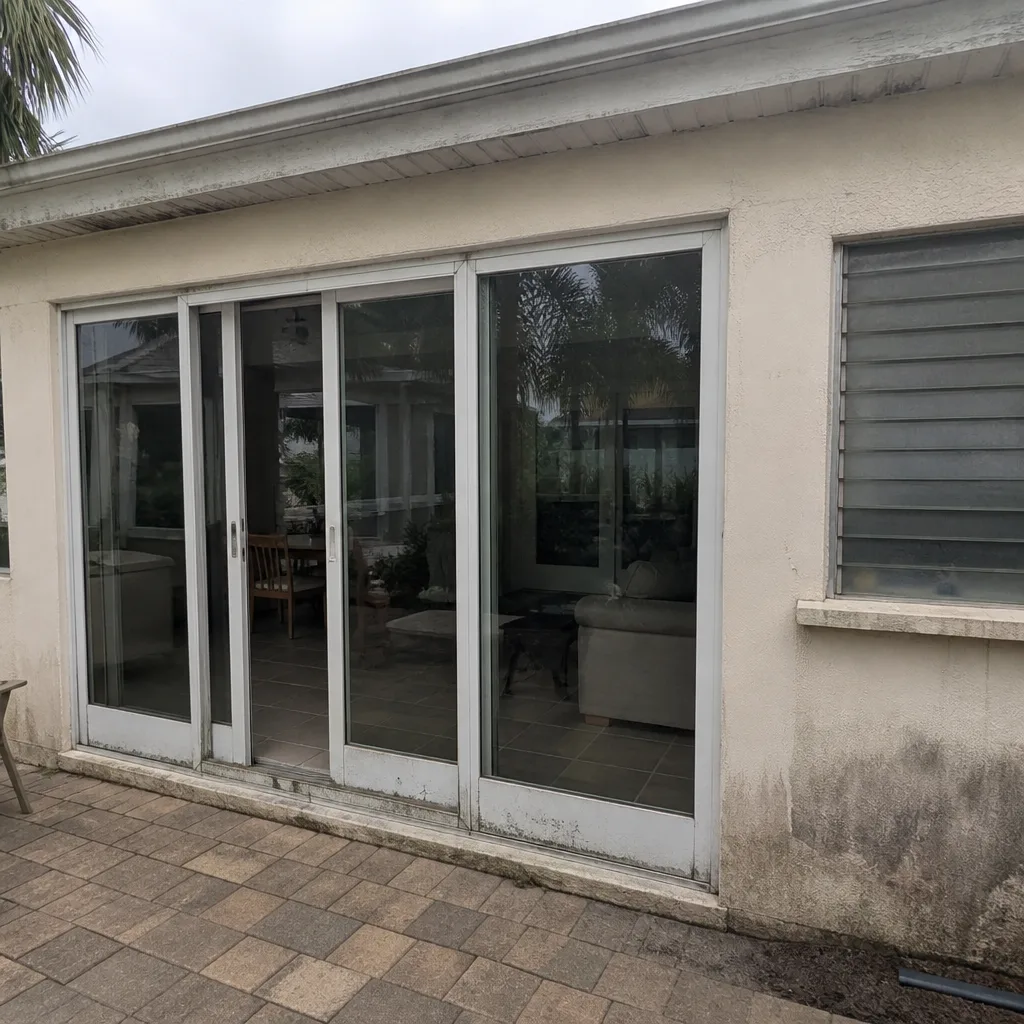 Before
 After
After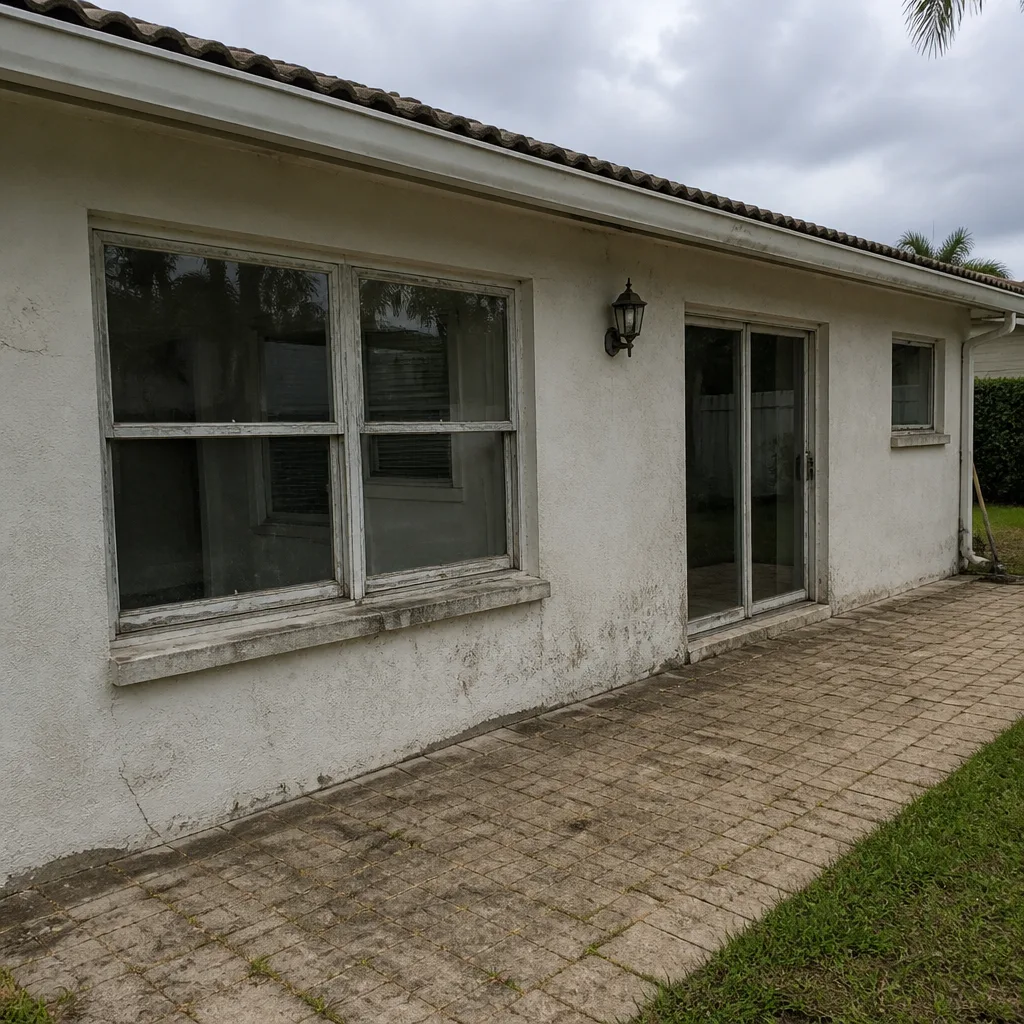 Before
 After
AfterSeasonal Windows & Doors Care for Naples: Year-Round Homeowner’s Guide
Most window maintenance guides are written for climates with freeze-thaw cycles, a problem Naples homeowners will never face, while skipping the wet-season mold colonization inside weep channels that is among the most common silent failures in Southwest Florida. This guide is built for the climate we actually live in: a subtropical coastal environment where salt air, sustained humidity, and hurricane-force wind pressures test glass, frames, and hardware in ways a Midwest checklist never anticipates. You will learn what to do in April before the rains arrive, what to check in July when the air will not dry out, what to inspect after a named storm passes, and what to handle in November when the dry season begins to pull moisture out of everything. We have spent more than four decades working on Naples windows and doors, and we have learned that the right maintenance at the right time prevents most of the repairs people call us about in a panic.
Quick Answer
Seasonal window and door care in Naples should be organized around two periods rather than four: pre-wet-season preparation in April and early May, and dry-season tightening in November. The wet season demands drainage and seal work so water cannot enter frame joints or collect in weep channels, while the dry season demands lubrication and sealant inspection so low humidity does not cause binding hardware and cracked caulk. A two-cycle calendar built around these realities protects more glass per hour of effort than any generic four-season checklist.
Table of Contents
- Why Naples Needs Its Own Window and Door Calendar
- April: The Pre-Wet-Season Walkthrough
- July: Mid-Wet-Season Check for Moisture and Growth
- Post-Storm Inspection Protocol
- November: Dry-Season Tightening and Lubrication
- The Warranty and Permit Paper Trail
- Common Mistakes to Avoid
- When to Call a Professional
Why Naples Needs Its Own Window and Door Calendar
Naples has two seasons, and each one attacks windows and doors in a distinctly different way. From May through October, the wet season delivers between 50 and 60 inches of rain, much of it in afternoon downpours that can drop two inches in an hour. Sustained humidity above 80 percent means any gap in a seal, any clogged weep hole, any hairline crack in glazing compound becomes an entry point for water that will not dry on its own. From November through April, the dry season brings lower humidity, cooler nights, and enough temperature swing to make seals contract, caulk crack, and hardware bind in ways that surprise homeowners who have not touched a window since the summer.
A generic annual checklist treats window care as a uniform, season-agnostic task. It misses the real mechanism of failure in coastal Florida: water accumulation during the wet months and material contraction during the dry months. In our experience working on TruePane Windows & Doors home installations and repairs across Naples, the majority of preventable damage we see follows this exact pattern. The homeowner skips April, notices nothing wrong in August because the problem is hidden inside a frame joint, and discovers it in December when the dry air exposes a warped sill or a fogged seal that has been developing for months.
The fix is not more effort. It is the right effort at the right time. A two-hour walkthrough in April, an hour of targeted checks in July, a disciplined post-storm inspection, and an hour of lubrication and caulk review in November will cover ninety percent of what Naples climate does to residential windows and doors. The remaining ten percent is why you keep a glazier’s number handy.
April: The Pre-Wet-Season Walkthrough
April is the most important month on the Naples window and door calendar. The dry season is ending, afternoon storms are starting to build, and hurricane season begins June 1. What you do now determines whether your windows and doors shed water for five straight months or slowly absorb it.
The goal of the April walkthrough is simple: confirm that every unit closes fully, latches completely, and drains correctly. Water that cannot get in cannot cause rot, mold, warping, or seal failure. Water that can get in will find the path.
Here is the step-by-step pre-wet-season process we recommend for every Naples home:
- Clear every weep hole on every window and sliding door. Weep holes are the small drainage channels at the bottom of frame tracks. In Naples, they clog with pollen in spring, sand from dry-season winds, and insect nests. A clogged weep hole turns the bottom track into a holding pan. Use a stiff brush or compressed air. If water does not drain freely from the track after a test pour, the weep system needs attention.
- Inspect glazing compound and caulk for gaps. Run a finger along the seam where glass meets frame and where frame meets stucco. Any crack, gap, or crumble is an invitation for sustained rain. Naples gets more rain in one July afternoon than many climates get in a month; a tiny gap under repeated saturation becomes a big problem.
- Close and latch every operable unit fully. This sounds obvious. It is skipped constantly. A window that latches only with effort, or a sliding door that does not lock because the track is dirty, is not sealed against wind-driven rain. During a summer storm, that gap becomes a water path, not just an inconvenience.
- Check weatherstripping on all exterior doors. Look for tears, flattening, or sections pulling away from the frame. In Naples, weatherstripping also keeps out fine sand and salt spray during dry-season winds, then must hold against water during summer downpours. If you can see daylight around a closed door, replace the stripping before June.
- Test every lock, latch, and roller. Operate each window and door three times. Listen for grinding, feel for resistance. Hardware that binds in April will fail in August when humidity swells wooden frames and salt air accelerates corrosion.
The April walkthrough is the single highest-return maintenance task a Naples homeowner can perform. It costs nothing but two hours and catches the problems that would otherwise show up as water stains on drywall in September.
July: Mid-Wet-Season Check for Moisture and Growth
By July, the wet season has been running for six to eight weeks. The pattern is established: hot mornings, building clouds, afternoon downpours, and humidity that never drops below 70 percent even at night. This is when biological growth begins, and it is the check most homeowners skip because they assume summer rain is just summer rain.
The one thing to look for in July is early biological growth in frame corners and sill tracks. If you see black or green spots forming where the sash meets the frame, or a slimy film developing in the bottom track of a sliding door, that is not a cleaning problem. That is a drainage or seal problem announcing itself.
Here is what a mid-wet-season inspection should cover:
- Frame corners on the interior side. Dark spots at the bottom corners of a window frame, especially where the sash closes, signal water pooling inside the frame. The glass may look fine from outside, but the frame is holding moisture.
- Sill tracks on sliding doors. If the track is wet hours after rain has stopped, or if a film develops within days of cleaning, the weep system is not draining. Water is sitting, and in July heat, sitting water breeds mold within a week.
- Hardware screws and hinges on exterior doors. Salt air is at its most corrosive during the wet season. Check for rust blooms on hinge pins, lock cylinders, and screw heads. Light surface rust you can wire-brush and coat; deep pitting means replacement.
- Fog forming between glass panes. July heat pushes temperature differentials across insulated glass units. If a unit fogs between panes after a rain or during a hot afternoon, the seal has failed. It will only get worse.
In Naples, July growth in a track or frame corner consistently traces back to one of three causes: a weep system that was clogged in April and never cleared, a weatherstripping gap that has been admitting wind-driven rain, or a glazing seam that opened under sustained moisture. The growth itself is the symptom. The fix is upstream.
Mid-wet-season is also the right time to confirm that your impact windows in Naples or standard units are still closing with full compression. Impact-rated windows depend on complete closure and latching to perform their rated function. A window left cracked open during a July storm is a window not doing its job.
Post-Storm Inspection Protocol
After any named storm passes near Naples, take thirty minutes to inspect your windows and doors before you assume everything held up. The goal is to catch damage that is invisible from outside and only shows itself under specific conditions.
Here is the protocol we recommend to every homeowner:
- Inspect laminated glass with a flashlight at an angle. Impact glass can develop micro-cracking from debris strikes that does not shatter the pane but compromises its structural integrity. From straight-on, the glass looks fine. With a bright flashlight held at a low angle and moved slowly across the pane, hairline cracks cast shadows and become visible. This is the difference between finding damage in the week after a storm and finding a cracked pane six months later when temperature cycling widens the fracture.
- Run your hand along every interior sill and frame corner. Feel for moisture. Water may have been forced past weatherstripping during sustained wind pressure and is now sitting inside the frame. Check for swelling, soft spots, or paint bubbling.
- Open and close every operable unit. A window or door may have taken a pressure wave that shifted the frame slightly. A unit that opened smoothly before the storm and sticks after deserves attention. Binding after a pressure event usually means the frame moved.
- Check exterior caulk joints for separation. Wind-driven rain forces water against caulk lines with pressure far beyond what normal rain delivers. Any caulk that was marginal before the storm will show gaps after it. Check where frame meets stucco around every opening.
- Photograph everything you find. Insurance claims and warranty documentation both benefit from time-stamped photos. Take wide shots for context and close-ups for detail. Even if you do not file a claim, the record is useful if a problem develops later.
For homes with window installation in Naples completed to current code and impact standards, the post-storm inspection should be brief. Quality units correctly installed shed wind-driven rain and resist debris strikes. But no window or door is completely immune to what a strong storm can deliver, and thirty minutes of inspection is cheap insurance against a problem that compounds silently.
November: Dry-Season Tightening and Lubrication
November begins the dry season, and the shift is more physically consequential than most people realize. Humidity drops from summer levels around 80 percent down toward 50 percent or lower during dry spells. Temperature swings between warm days and cool nights widen. These changes cause materials throughout your windows and doors to contract.
Weatherstripping shrinks. Caulk pulls away from stucco. Wood frames, if you have them, lose moisture and move. Hardware that operated smoothly in August begins to bind because lubricants that worked in humidity have dried out or been washed away by summer rain.
The November maintenance pass should include:
- Lubricate all moving hardware. Hinges, rollers, locks, and latches all benefit from a light application of a dry silicone lubricant. Avoid oil-based products, which collect sand and salt in Naples air and turn into grinding paste. Work the lubricant into the mechanism by operating the unit several times.
- Inspect the sealant joint where caulk meets stucco. This is the joint that moves most with temperature swings. Naples stucco expands and contracts at a different rate than window and door frame materials. Over time, the caulk line cracks and separates. Run a finger along the joint on every opening. Gaps wider than a fingernail’s thickness need recaulking.
- Check weatherstripping compression. After the wet season and the early dry-season contraction, weatherstripping may no longer make full contact. Close a dollar bill in the door or window. If it pulls out easily, the stripping has lost its compression and needs replacement. If it resists, the seal is still working.
- Confirm drainage still functions after fall leaf litter. Even in Naples, November brings leaf drop from oaks, mahoganies, and gumbo limbos. Leaves and debris fall into sill tracks and block the same weep holes you cleared in April. Clear them again now so that when the dry season ends and rain returns, the drainage path is open.
Dry-season maintenance is about preventing the annoyances that become complaints in January: doors that stick, windows that no longer lock cleanly, and the whistle of air around a worn seal. Twenty minutes with a lubricant and a caulk gun in November prevents most of it.
This is also a good moment to consider whether your existing units are performing the way they should. If you are spending more time maintaining thirty-year-old windows than enjoying your home, a window replacement in Naples may be the more honest long-term solution. We have walked many homeowners through that decision, and the math often favors replacement over endless repair.
The Warranty and Permit Paper Trail
There is one maintenance task that matters regardless of season, and it matters most when you are preparing to sell your home in Naples. Pull your permit history and warranty registration documents now, before you need them, and put them in a folder labeled for the disclosure package.
Here is why this matters. A Naples buyer working with a diligent inspector will ask about window and door permits, installation dates, and warranty status. If those documents are scattered across filing cabinets, old email accounts, and the memories of a contractor who retired five years ago, you will scramble to reconstruct them during due diligence. That scramble costs time and can cost money if a buyer negotiates from uncertainty.
The checklist is straightforward:
- Locate the permit records for any window or door work. Collier County keeps these, and you can request copies. If the work was permitted and passed inspection, the record exists. If you cannot find it, the work may not have been permitted, which is a different conversation with your realtor.
- Locate manufacturer warranty registrations. Many manufacturers require warranty registration within a set window after installation. If you bought the home with windows already installed, the previous owner may or may not have registered them. If you cannot find registration documents, the manufacturer can often verify by serial number, but you have to ask.
- Locate any installer workmanship warranty. This is the layer most often missing. The manufacturer’s warranty covers defects in the product. The installer’s workmanship warranty covers defects in the installation. Both matter, and both should be in writing with clear terms and durations.
- Assemble it all in one place. A manila folder with the permits, the warranty documents, and a one-page summary of what was installed, when, and by whom. Hand it to your realtor before the listing goes live.
At TruePane Windows & Doors, every job includes The Keystone Standard: both manufacturer warranty layers are registered in writing with durations stated before our truck leaves the driveway. When a homeowner calls us years later needing to verify warranty status for a sale, we can answer in minutes because the paperwork was done correctly on installation day. If your paperwork is not in that kind of order, now is the time to fix it, regardless of whether you are selling next month or in five years.
Common Mistakes to Avoid
- Using a four-season maintenance calendar from a national publication. A schedule built for freeze-thaw cycles in Ohio or heat waves in Arizona does not map to Naples. Worse, it directs your attention away from the two failures that actually happen here: drainage blockage during the wet season and seal contraction during the dry season.
- Treating mold in a sill track as a cleaning problem. Every week in July, someone scrubs mildew out of a sliding door track and calls it done. The mildew returns because the drainage is failing. Clean it, yes, but then find out why moisture is lingering. The growth is a signal, not the problem.
- Checking glass from straight-on after a storm. Micro-cracking in laminated impact glass is invisible from a normal viewing angle. The homeowner looks at the window, sees nothing, and moves on. Six months later, a temperature swing widens the crack and they assume it happened spontaneously. Use a flashlight at an angle.
- Skipping weep hole maintenance entirely. Most homeowners have never heard the term. Their windows and doors have drainage channels, and those channels are clogged with pollen, sand, and insect debris. This single oversight causes more frame rot and water intrusion in Naples than any other maintenance failure.
- Using oil-based lubricants on hardware. WD-40 and similar products feel like the right choice and are the wrong one in a coastal climate. Oil collects sand and dried salt and turns into grinding compound inside hinges and rollers. Use dry silicone.
- Waiting until a window binds or fogs to investigate. By the time a window will not open or a seal has fogged, the underlying problem has been developing for months. The April and November walkthroughs exist to catch these problems before they become visible symptoms.
- Leaving your permit and warranty documents unorganized. When you need them for a sale, a warranty claim, or an insurance question, you will need them immediately. Scrambling through files during due diligence is a self-inflicted wound that is completely avoidable.
When to Call a Professional
Some maintenance tasks are yours. Others cross into territory where a trained glazier earns their fee. Call a professional when you see fog between panes, which means a failed seal and an insulated glass unit replacement. Call when a frame shows soft spots, rot, or persistent moisture that drainage clearing does not fix. Call when hardware is corroded to the point of pitting, because replacement parts must match the existing system. And call after a storm if your flashlight inspection reveals micro-cracking, if any unit no longer operates smoothly, or if water appears where it never appeared before. TruePane Windows & Doors offers free estimates in Naples, and our team works on everything from PGT and CGI impact-rated systems to custom units built on ES Windows lines. Call (239) 326-9942 and a live person will answer.
Frequently Asked Questions
Clean weep holes twice a year at minimum: once in April before the wet season starts, and once in November after fall leaf drop. Weep holes are the small drainage channels at the bottom of window and sliding door tracks, and in Naples they clog with pollen in spring, sand from dry-season winds, and leaf litter in autumn. If water does not drain freely from the track after a test pour, clear the weep holes immediately. Call (239) 326-9942 if the tracks continue holding water after cleaning; the drainage path inside the frame may be blocked, and that is a replacement-level problem if left unaddressed.
The biggest mistake is treating window and door care as a four-season chore rather than a two-season cycle. Naples has a wet season that drives moisture into frame joints and a dry season that contracts seals and binds hardware. A homeowner who follows a generic national checklist will spend effort on tasks that do not matter here while skipping the two that do: April drainage and seal preparation, and November hardware lubrication and caulk inspection.
Inspect the glass with a bright flashlight held at a low angle, moving slowly across the whole pane. Micro-cracking in laminated impact glass is invisible from straight-on but shows as hairline shadows under raking light. Also check for moisture on interior sills, binding in operable units, and gaps in exterior caulk. If you find any of these, photograph them and call (239) 326-9942; we will tell you honestly whether repair or replacement is warranted.
No. A routine afternoon thunderstorm in Naples does not require a full inspection. Named storms are different because sustained wind pressure can drive water past marginal seals and shift frames. After any named storm passes within fifty miles of Naples, run the thirty-minute protocol: raking-light glass inspection, moisture check on sills and frame corners, full operation of every unit, and exterior caulk review.
Superficial caulk work where frame meets stucco is a reasonable homeowner task if the gap is small and the surface is clean and dry. What a homeowner should not attempt is removing and resetting a window unit, re-glazing glass that sits in a structural frame, or recaulking around impact-rated units where the seal is part of the wind-load performance system. If you are unsure what kind of unit you have or what kind of caulk it needs, call (239) 326-9942. We will tell you what the job involves and what it should cost.
For homes in Collier County, window and door work requires permits, and permitted work produces a paper trail with the county. The manufacturer warranty is a separate document registered with the window maker, not the county. A workmanship warranty from the installer is a third document, and it is the one most often missing. Together, these three documents tell a buyer everything they need to know about your windows and doors. If you are selling, assemble them before listing. If you are not sure what you have, call (239) 326-9942 and we will help you sort it out.
The Bottom Line
Naples windows and doors fail in predictable ways: water intrusion and biological growth during the wet season, seal contraction and hardware binding during the dry season. The maintenance calendar that prevents ninety percent of these failures is two hours in April, an hour in July, thirty minutes after any named storm, and twenty minutes in November. Do the work in the right order and the windows and doors in your home will serve you for decades. Skip it, and the problems accumulate silently until they announce themselves as fogged glass, a sticking slider, or a water stain on the drywall. If you find something during any of these seasonal checks that you do not want to handle yourself, call us. We are at (239) 326-9942, and a real person answers.
Written by Dale Kessler, Owner at TruePane Windows & Doors, serving Naples since 2008.
Six Reasons Homeowners Choose TruePane Windows & Doors
Impact systems engineered to design pressures up to +/-100, matched to your wind zone - your openings hold when the storm arrives.
Low-E insulated impact glass from our manufacturer lines commonly cuts monthly cooling bills 20-30%.
Laminated impact glass shuts out up to 40% of outside noise - traffic, neighbors, weather.
Monitoring services run $30-90 a month. Laminated impact glass resists forced entry around the clock, with no subscription.
Florida homeowners average around 25% savings on the windstorm portion of their policy after protecting every opening - some homes qualify for more.
A full impact package upgrades curb appeal, buyer confidence and appraised value in one project.